Le réalisme dévoilé : comprendre le cœur de l'art réaliste

Le réalisme est le point où la toile devient un miroir reflétant l'authenticité brute de la vie. L'art réaliste cherche à capturer le monde tel qu'il apparaît vraiment, sans embellissement ni distorsion. Enracinés dans un engagement envers la précision et les détails méticuleux, les artistes réalistes ont peint des scènes ordinaires, des gens de tous les jours et le monde naturel avec un dévouement à l'authenticité. Poursuivez votre lecture pour découvrir les divers types, techniques et thèmes qui définissent l'art réaliste, explorant son évolution d'un mouvement né des changements sociaux à un témoignage intemporel de l'expérience humaine. Des paysages urbains de l'industrialisation aux portraits intimes dépourvus d'idéalisation, nous vous invitons à découvrir la résonance émotionnelle et les reflets sociétaux intégrés dans la toile, démêlant l'essence de l'art réaliste et son impact durable sur le monde de l'expression artistique.

Acheter en ligne Art réaliste :

Parcourez notre gamme de Art réaliste ci-dessous, veuillez noter la disponibilité limitée des œuvres d'art originales.

What is Realist Art?

Realist art, emerging in the mid-19th century, stands as a testament to a departure from idealized portrayals prevalent in previous art movements. Instead of delving into historical narratives or specific artists, Realist art is fundamentally characterized by a commitment to representing the world as it truly appears. This style prioritizes accuracy and meticulous detail, aiming to capture everyday life, ordinary people, and the natural world without romanticization or distortion. In essence, Realist art is about providing an unembellished and authentic portrayal of the world.

What does the Realist in Realist Art mean?

The term "Realist" in Realist Art refers to the commitment to representing the world in a genuine and unembellished manner. Realism in art seeks to depict subjects truthfully, avoiding idealization or distortion. Unlike Romanticism, which often portrayed fantastical or exaggerated scenes, Realist Art aims to showcase the ordinary and the everyday with a keen eye for detail.

Realism extends beyond mere visual representation; it also delves into portraying the social and cultural aspects of the depicted subjects. The goal is to provide an authentic and unfiltered view of the world.

How do you identify Realist Art?

Identifying Realist Art involves recognizing certain characteristics and techniques employed by artists within this movement. Here's a bullet-point list to help you identify Realist Art:

  • Attention to Detail: Realist artists pay meticulous attention to detail, capturing even the minutest aspects of their subjects with precision.
  • Naturalistic Color Palette: Realist paintings often utilize a naturalistic color palette, avoiding exaggerated or fantastical hues.
  • Ordinary Subjects: Realist Art typically portrays everyday life, common people, and ordinary scenes rather than idealized or fantastical themes.
  • Avoidance of Idealization: Unlike Romanticism, Realism rejects idealization and presents subjects as they are, free from romantic embellishments.
  • Social Commentary: Many Realist artworks serve as a form of social commentary, addressing issues such as poverty, inequality, and the struggles of the working class.
  • Composition and Framing: Realist artists carefully compose their works, considering the arrangement of elements to create a natural and convincing scene.
  • Absence of Glamour: Realist Art often avoids the glamorous or heroic, opting instead for a truthful portrayal of the ordinary aspects of life.

By considering these characteristics, art enthusiasts can identify and appreciate the distinct features that define Realist Art.

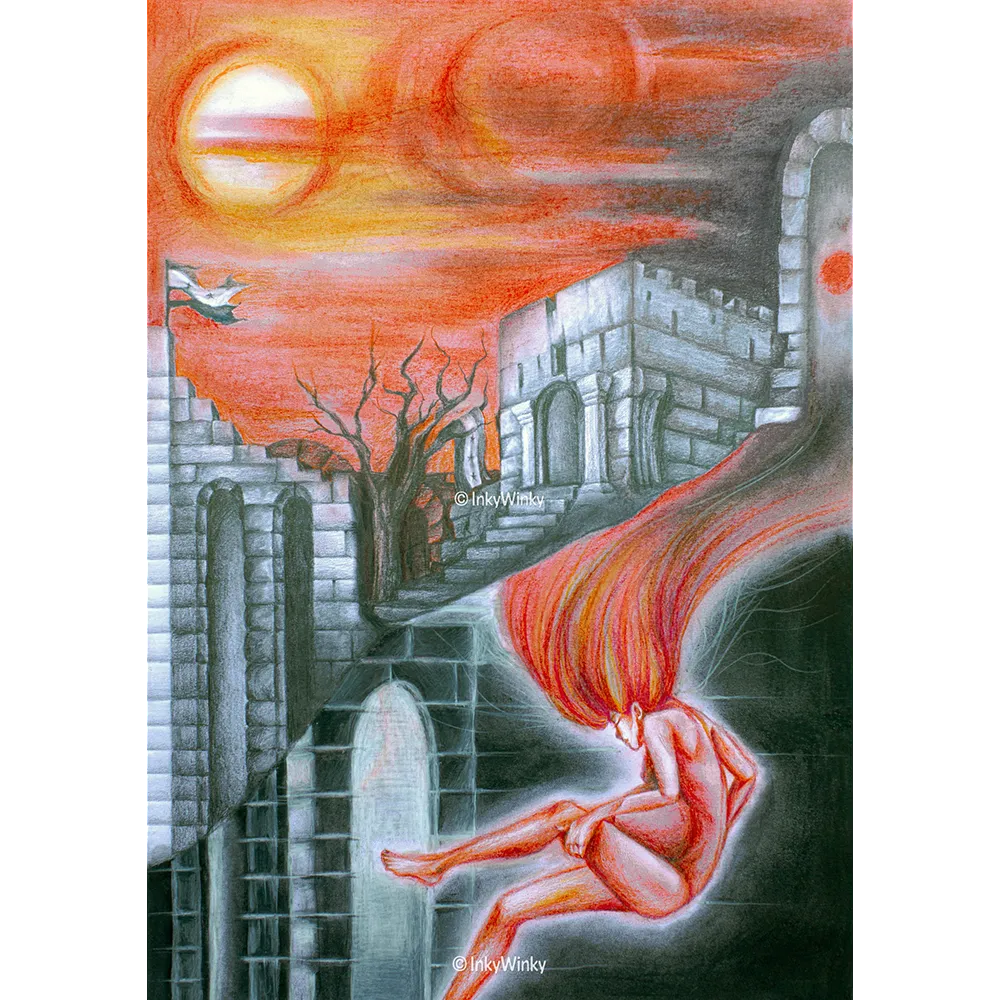
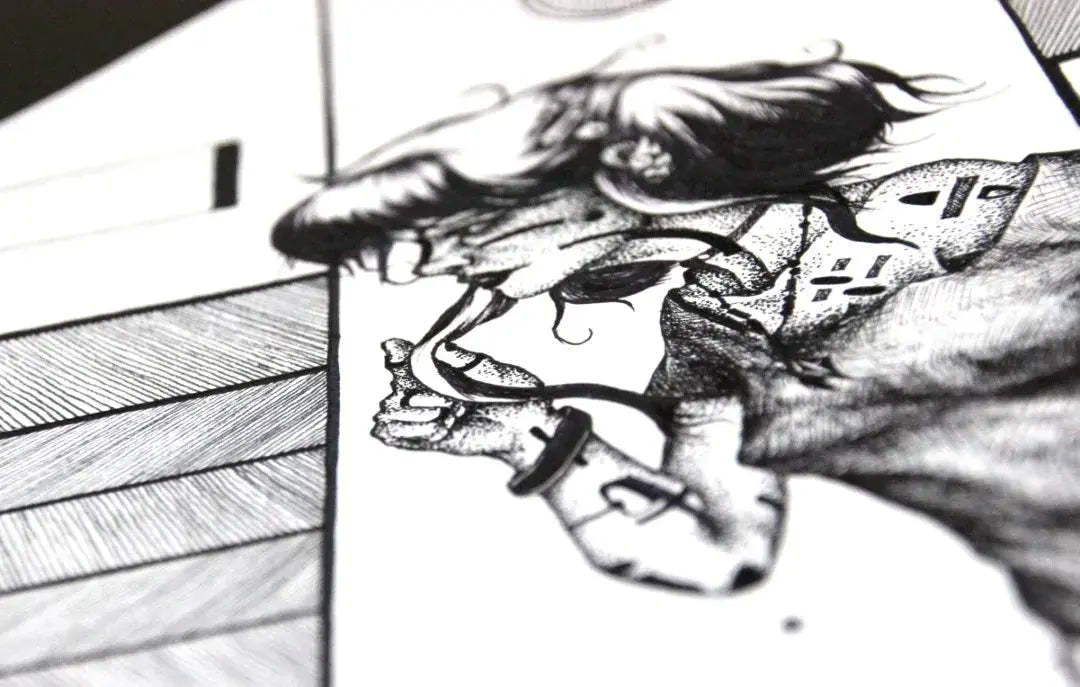
A Scene of Freedom (Original) - InkyWinky

Où puis-je utiliser Art réaliste ?

Art réalistefonctionne bien dans de nombreux environnements, mais nos recommandations incluent :

Hôtels, Espaces créatifs, Bureaux d'entreprise, Bureaux à domicile, Bâtiments gouvernementaux, Bibliothèques, Établissements de santé, Aéroports et Bureaux de poste.

Si vous recherchez quelque chose pour une pièce différente, parcourez l'intégralité de notre magasin ci-dessous. Nous sommes certains d'avoir quelque chose pour vous.

Quels sont les différents types d'Art Réaliste ?

L'art réaliste englobe divers styles et approches, chacun avec ses propres caractéristiques uniques. Certains types notables d'Art Réaliste incluent :

  • Réalisme social : Ce type se concentre sur la représentation de la vie quotidienne des gens ordinaires, souvent avec une conscience aiguë des problèmes sociaux et des inégalités.
  • Naturalisme : Les artistes naturalistes mettent l'accent sur l'observation scientifique et une représentation méticuleuse du monde naturel, cherchant à capturer les détails avec précision.
  • Photoréalisme : Forme plus contemporaine de l'art réaliste, le photoréalisme implique la création d'œuvres d'art qui ressemblent étroitement à des photographies haute résolution, défiant souvent la perception de la réalité par le spectateur.
  • Hyperréalisme : Similaire au photoréalisme, l'hyperréalisme pousse le détail à l'extrême, produisant des œuvres qui peuvent être confondues avec de véritables photographies en raison de leur précision et de leur qualité réaliste.
  • Réalisme contemporain : À l'époque moderne, les artistes continuent d'explorer le réalisme de diverses manières, adaptant les techniques traditionnelles pour exprimer des sujets et des préoccupations contemporains.

Quelles sont les techniques courantes utilisées dans l'Art Réaliste ?

Les artistes réalistes emploient diverses techniques pour atteindre leur objectif de représentation précise. Voici une liste des techniques courantes associées à l'Art Réaliste :

  • Précision du détail : Les œuvres d'art réalistes se caractérisent souvent par une attention méticuleuse aux détails, capturant même les plus petits éléments avec précision.
  • Palette de couleurs naturaliste : Les artistes utilisent des couleurs qui imitent le monde naturel, évitant les teintes exagérées ou fantastiques.
  • Clair-obscur : L'utilisation de la lumière et de l'ombre pour créer un effet tridimensionnel, ajoutant de la profondeur et du réalisme à la composition.
  • Rendu de texture : Les artistes réalistes représentent habilement les textures, que ce soit dans les vêtements, les objets ou les éléments naturels, pour améliorer la qualité tactile de l'œuvre.
  • Perspective : Une perspective précise est cruciale dans l'Art Réaliste, garantissant que les proportions et les relations spatiales reflètent les conditions du monde réel.
  • Superposition et glacis : Certains artistes réalistes utilisent des techniques de superposition et de glacis pour construire les couleurs et créer un effet lumineux dans leurs peintures.
  • Composition : Une composition réfléchie est essentielle pour créer une représentation harmonieuse et réaliste du sujet.

Comment l'Art Réaliste vous fait-il sentir ?

L'Art Réaliste évoque souvent un sentiment de familiarité et de connexion avec les sujets représentés. L'accent mis sur la vie ordinaire et les scènes auxquelles on peut s'identifier peut susciter des sentiments de reconnaissance et de résonance. L'attention aux détails peut attirer les spectateurs dans l'œuvre d'art, leur permettant d'apprécier la beauté du quotidien. De plus, l'engagement de l'Art Réaliste envers l'authenticité peut provoquer une contemplation sur les problèmes sociétaux, favorisant l'empathie et un engagement émotionnel plus profond avec le sujet.

Quels sont les thèmes de l'Art Réaliste ?

L'Art Réaliste explore fréquemment des thèmes ancrés dans la vie quotidienne, les réalités sociales et le monde naturel. Certains thèmes courants incluent :

  • Commentaire social : De nombreuses œuvres d'art réalistes servent de reflet des problèmes sociaux, dépeignant les luttes et les défis rencontrés par différents groupes sociaux.
  • Vie urbaine et rurale : Les artistes réalistes représentent souvent des scènes d'environnements urbains et ruraux, montrant la diversité de l'expérience humaine.
  • Portrait : Le portrait réaliste vise à capturer l'essence des individus sans idéalisation, offrant une représentation authentique du sujet.
  • Nature et naturalisme : Les artistes peuvent explorer le monde naturel, dépeignant les paysages, la flore et la faune avec une précision scientifique.
  • Industrialisation et travail : L'Art Réaliste aborde fréquemment l'impact de l'industrialisation sur la société, dépeignant la classe ouvrière et le paysage changeant du travail.

Ces thèmes contribuent collectivement à la riche tapisserie de l'Art Réaliste, offrant aux spectateurs une exploration nuancée et authentique de l'expérience humaine.

Art réalisteiste :

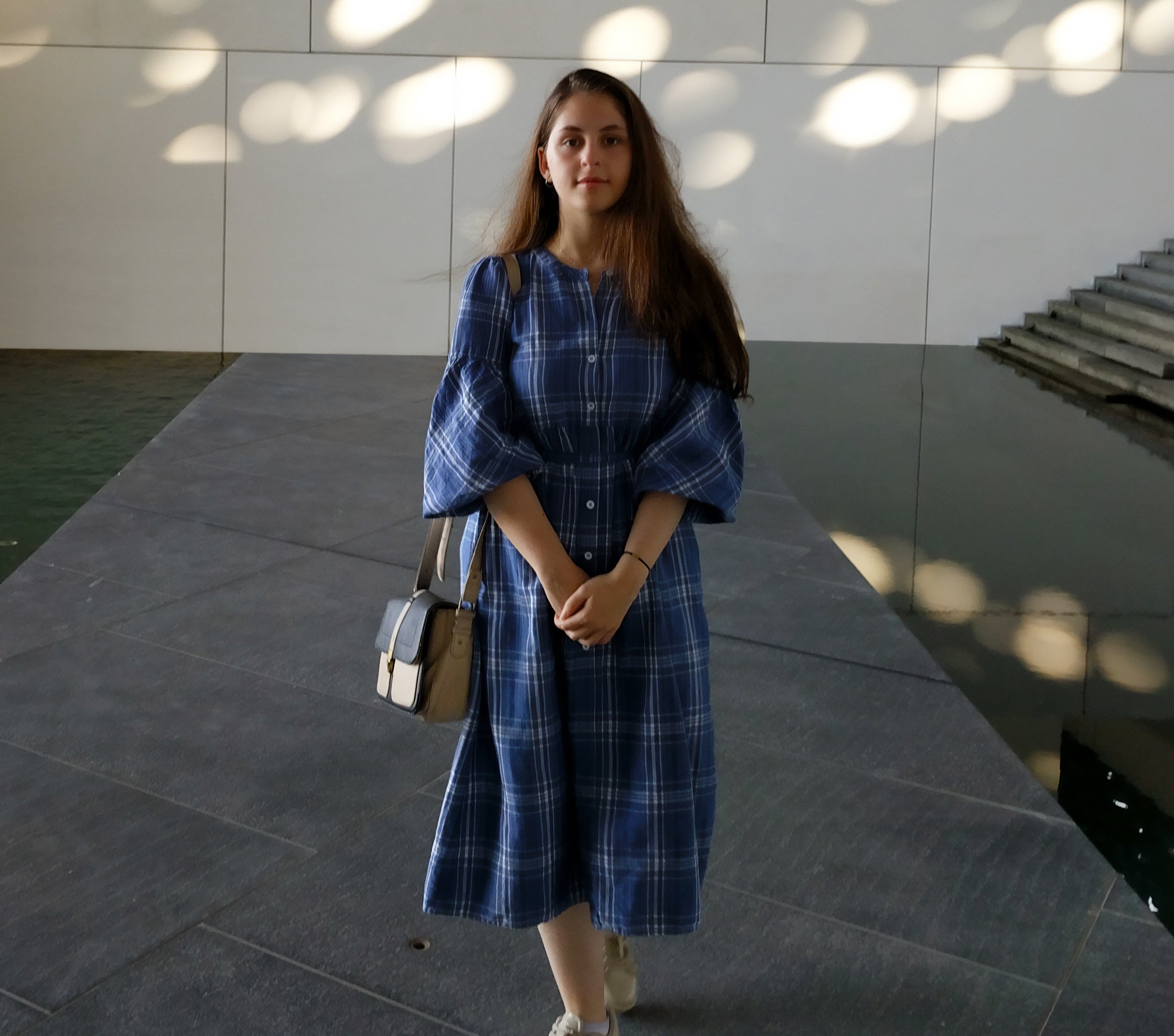
Découvrez Ayla Fowles. Born in Syria before the civil war, Ayla experienced first-hand the suffering and injustice caused by her government. Fleeing to Saudi, she lived through a different environment in a more r4eligiously conservative environment than what she was used to in Syria. As a result she spent her teenage years in her room as she desperately sought any freedom she could find, which she found that through art. Art was her form of expression and as the years went by, she practiced and practiced while she waited for an opportunity to leave.

She now gets to tell the story of her youth with the hope that she can show you how good things can come from bad situations, and to bring awareness to things she finds dear to her (or things that she thinks are really cool).

Where did Realist art come from?

Realist art originated in the mid-19th century as a reaction against the idealized and often dramatic representations prevalent in Romanticism. It emerged in response to the societal and political changes of the time, including the Industrial Revolution and the rise of social movements. Realist artists sought to move away from the fantastical and capture the realities of contemporary life. The movement gained prominence in France but quickly spread to other parts of Europe and the United States, becoming a significant force in the art world.

What is the common subject material of Realist Artists?

Realist artists often focus on portraying the everyday, ordinary aspects of life with a commitment to accuracy and truthfulness. Common subject materials include:

Everyday Life: Realist art frequently depicts scenes from daily life, showcasing the mundane and ordinary with an emphasis on authenticity.

  • Portraits: Realist artists create portraits that aim to capture the true likeness and character of the subject without idealization.
  • Landscapes: Naturalistic representations of landscapes, whether urban or rural, are a recurring theme in Realist Art.
  • Social Issues: Many Realist works serve as a form of social commentary, addressing issues such as poverty, labor, and societal inequalities.
  • Industrial Scenes: Reflecting the impact of the Industrial Revolution, Realist artists often depicted the changing landscape of work and industry.

Why does Realist art matter?

Realist art holds significance for several reasons:

  • Authentic Representation: Realist art provides an authentic and unembellished portrayal of the world, offering viewers a genuine connection to the subject matter.
  • Reflection of Society: Through social commentary, Realist art becomes a mirror reflecting the social, political, and economic realities of the time it was created, fostering a deeper understanding of historical contexts.
  • Human Connection: The emphasis on ordinary life and relatable scenes in Realist art can evoke a strong emotional response, fostering a sense of connection and empathy with the depicted subjects.
  • Artistic Evolution: Realist art marked a departure from traditional artistic conventions, paving the way for new movements and approaches. It contributed to the ongoing evolution of art by challenging established norms.
  • Cultural Documentation: Realist art serves as a valuable form of cultural documentation, preserving the details of a particular era and providing insights into the lives of people during that time.

In essence, Realist art matters because it enriches our understanding of the past, prompts contemplation on contemporary issues, and continues to influence artistic expression and representation in the present day.

Powered by Omni Themes
Chat Support

Support
Typically replies within an hour

Hi there 👋

How can I help you?
×