Understanding Fantasy Art
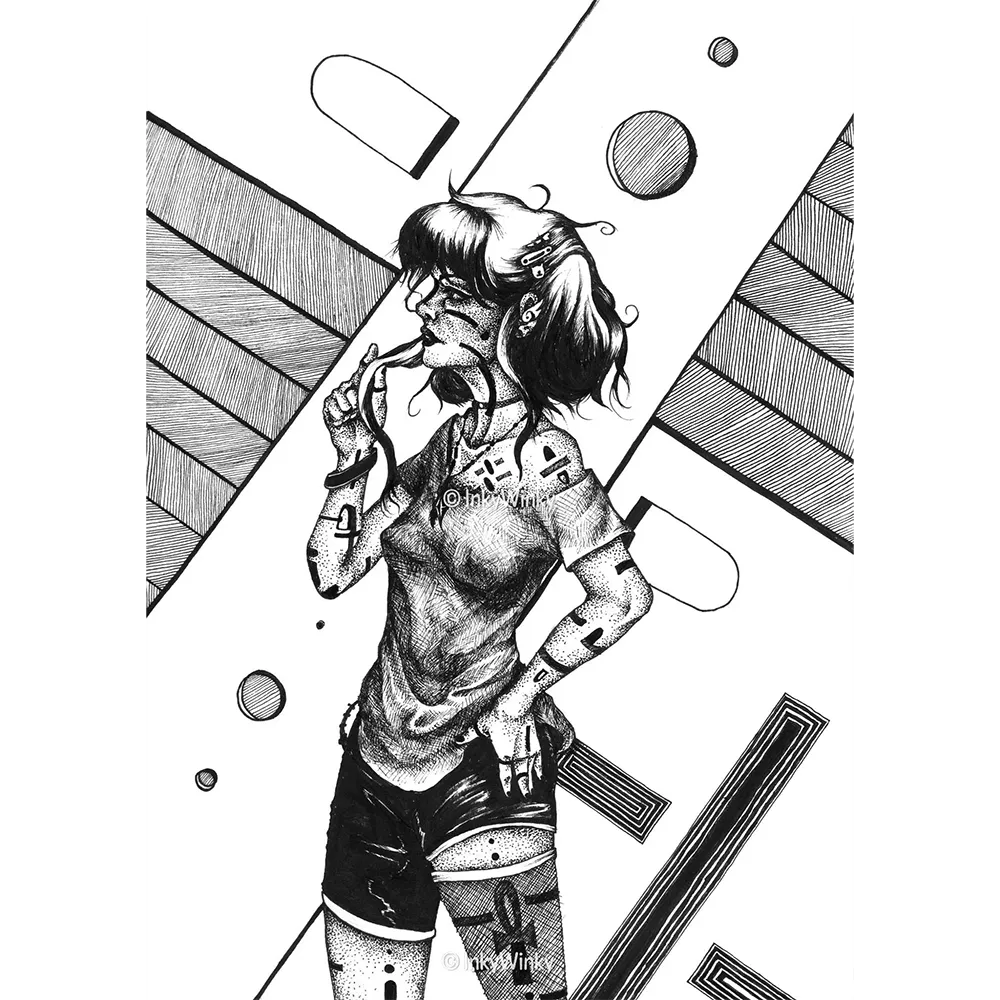
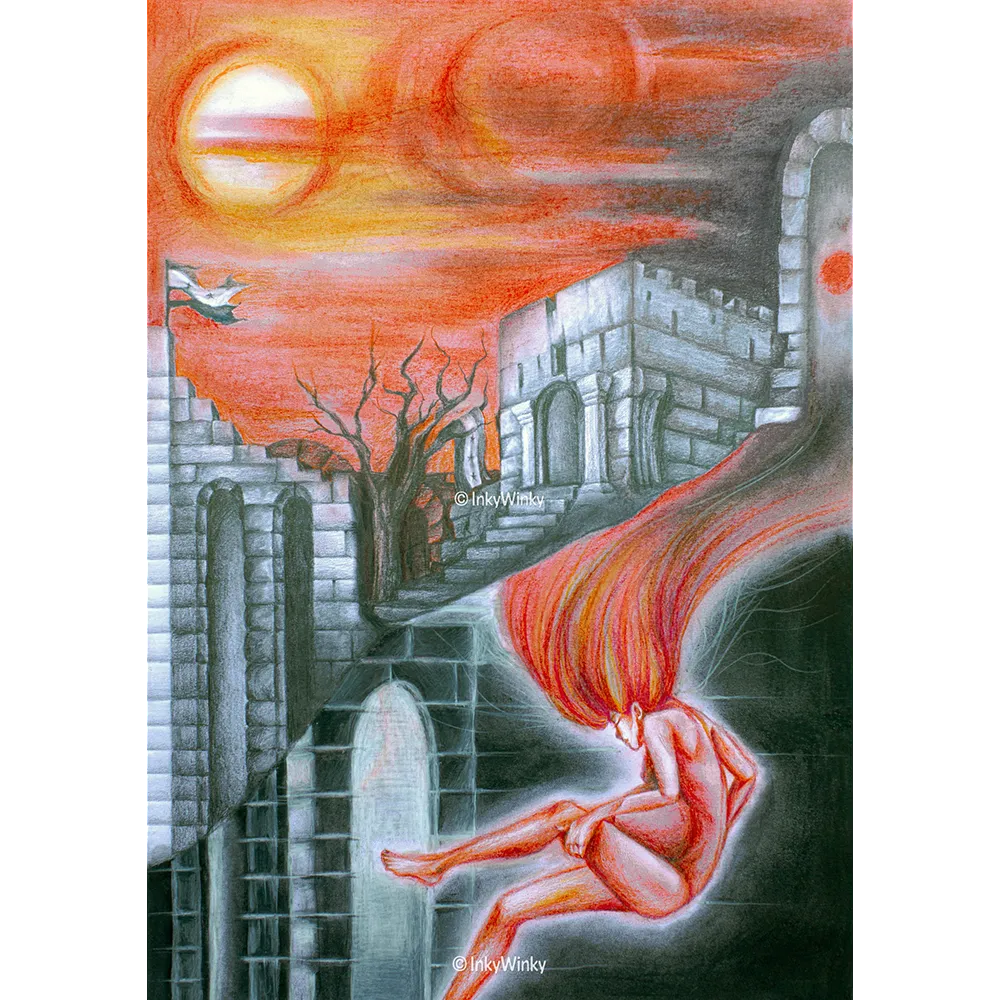
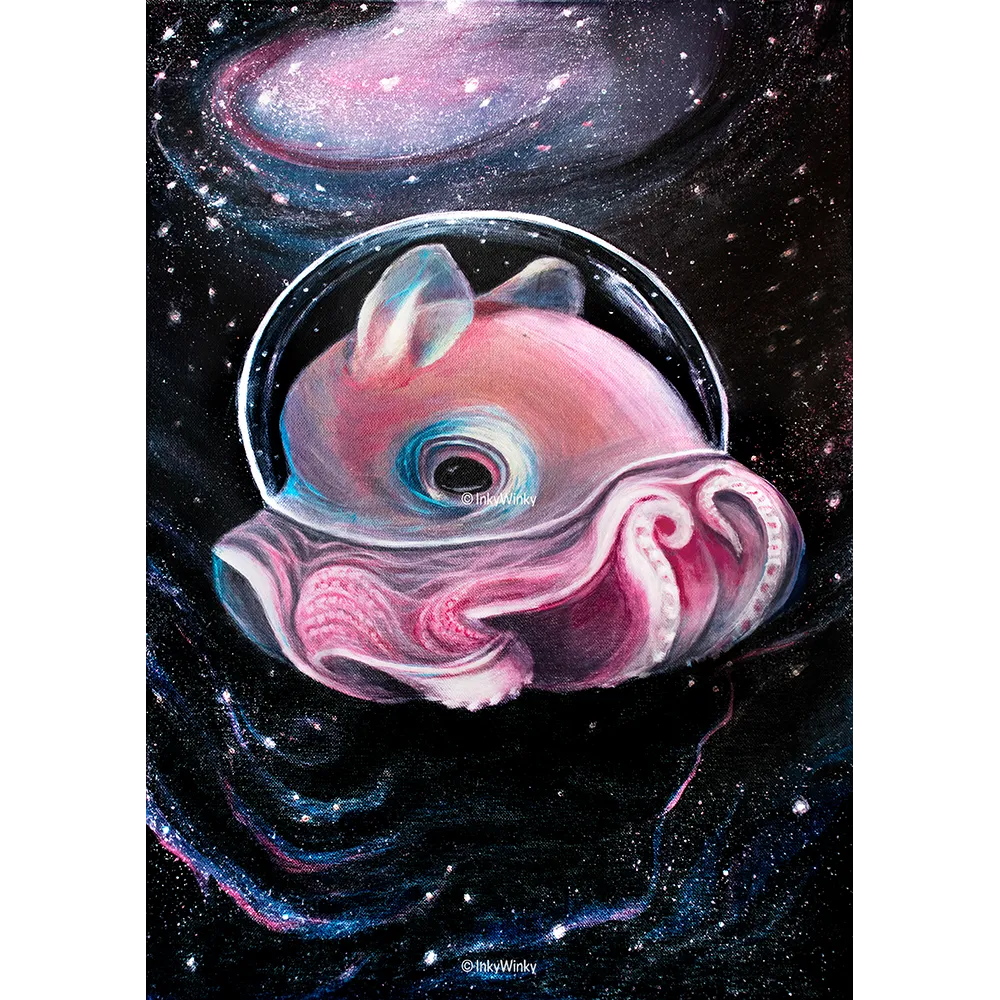
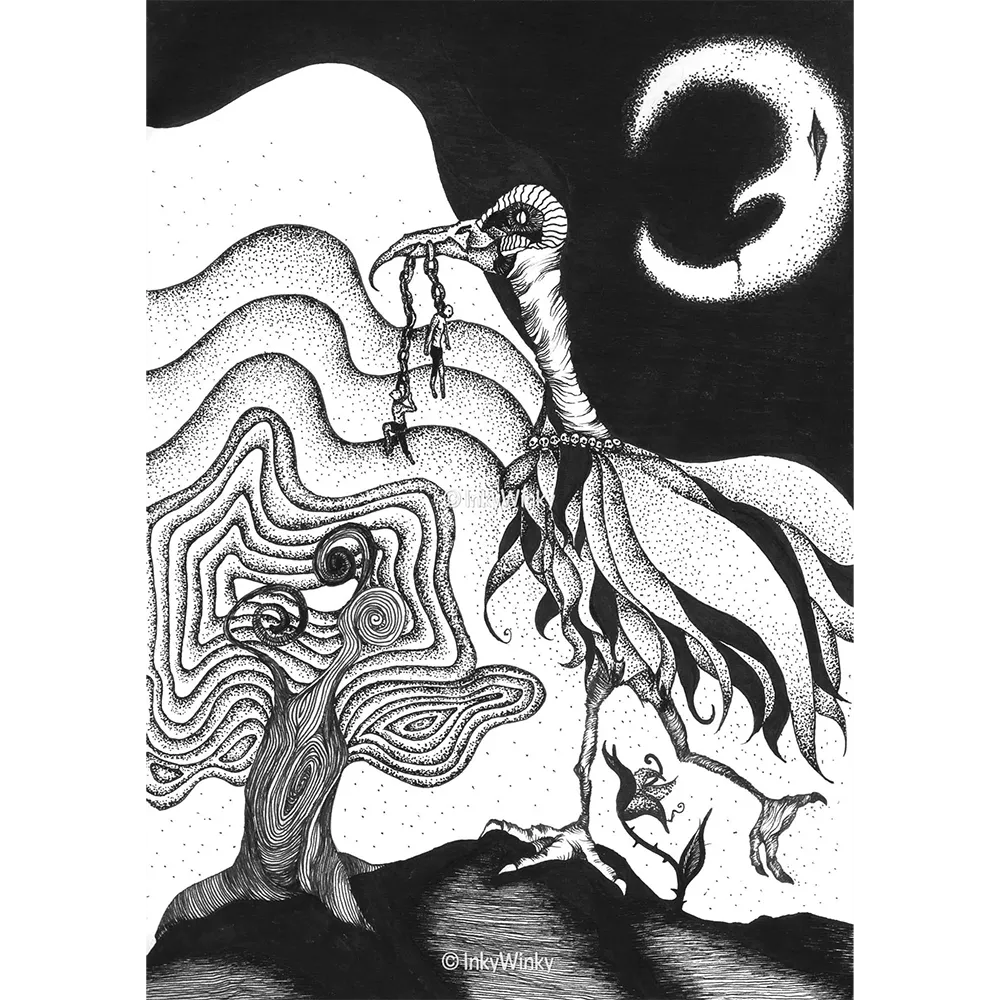
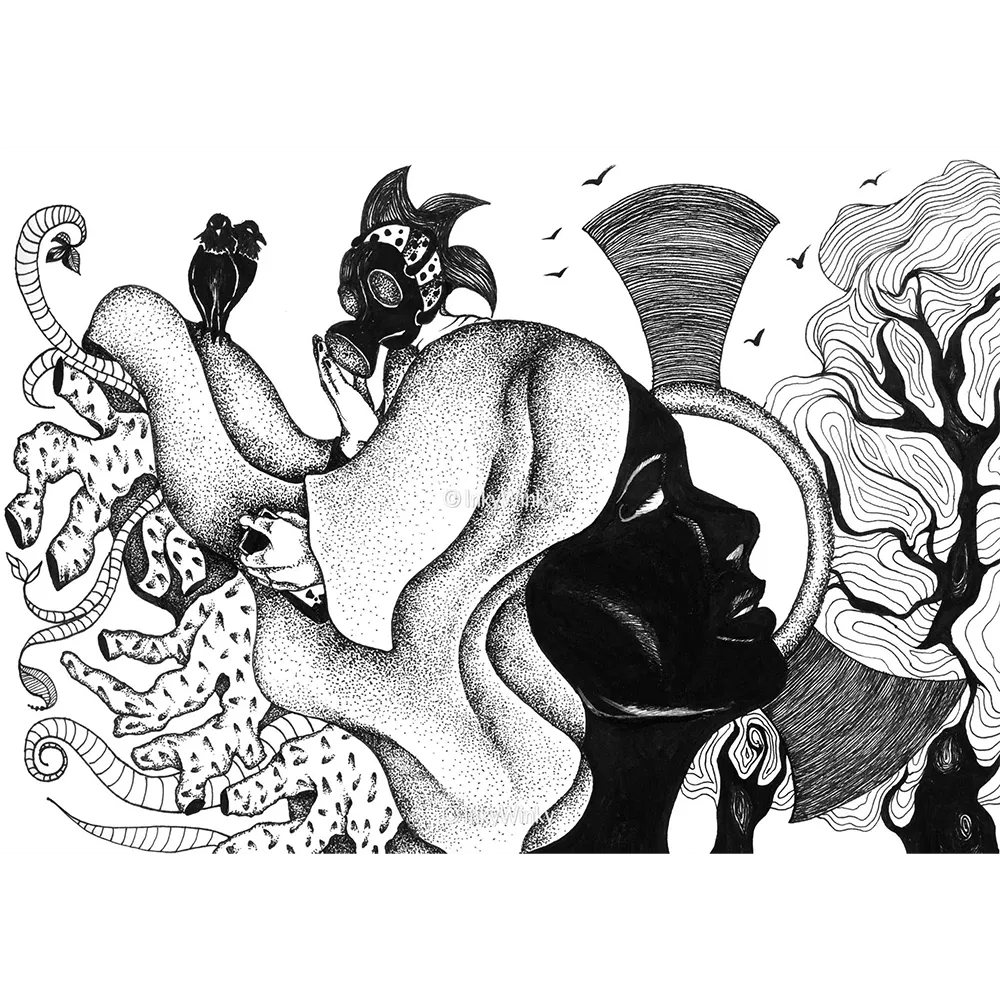
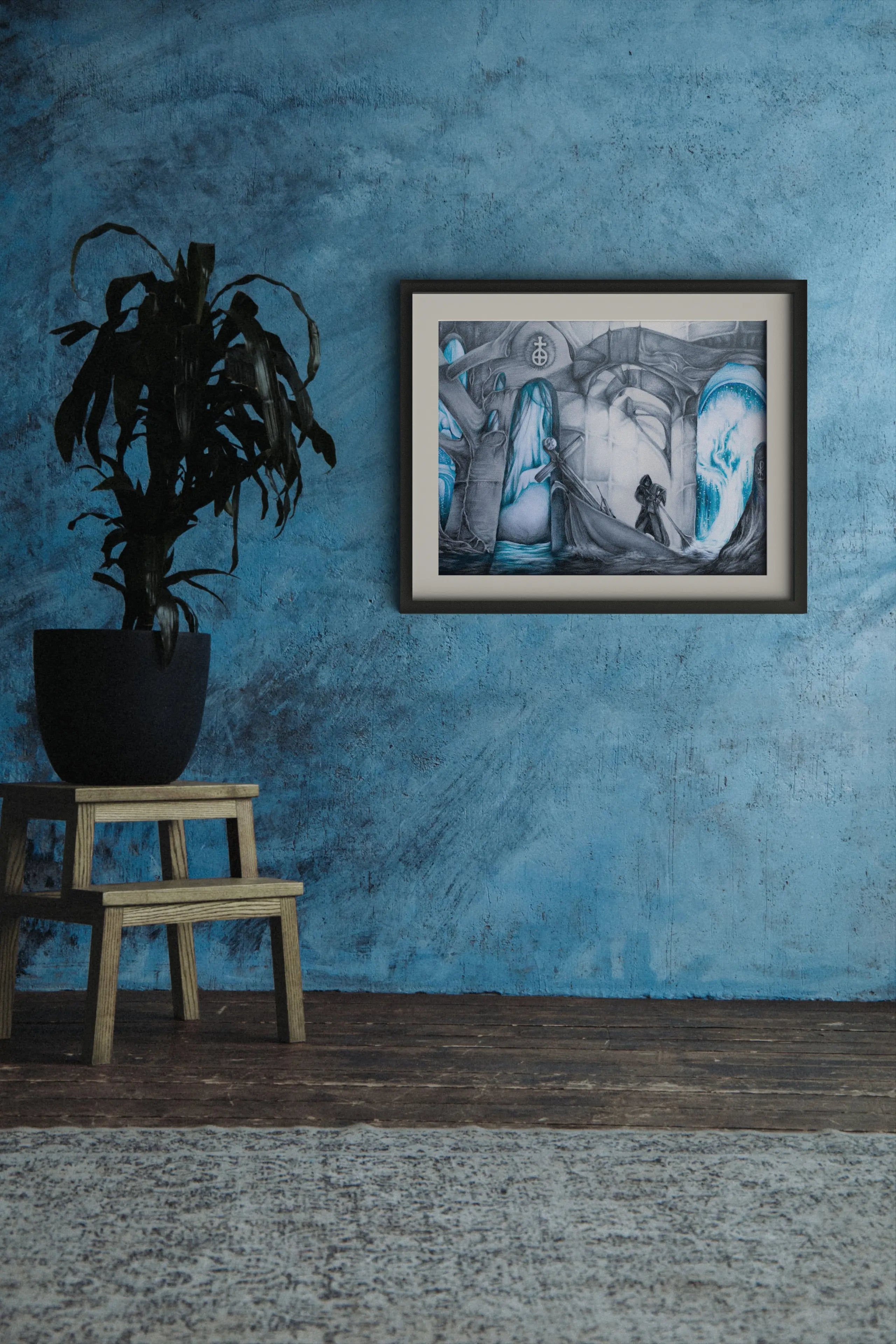
Fantasy art is a genre that transports the viewer to an alternate reality, often filled with mythical creatures, magic, and otherworldly landscapes. It is characterized by vivid colors, intricate details, and a strong sense of imagination. The themes of fantasy art often explore the conflict between good and evil, heroism, and the search for meaning.
Why does fantasy art matter?
Fantasy art holds a unique and significant place in the realm of artistic expression, transcending the boundaries of reality to ignite the boundless imagination within us. At its core, fantasy art serves as a portal to otherworldly landscapes, mythical creatures, and fantastical realms that elude the constraints of our everyday existence. In a world often dictated by routine and the mundane, fantasy art provides a refreshing escape, offering viewers a chance to immerse themselves in the extraordinary and the magical. This imaginative journey can be a source of solace, inspiration, and a reminder of the infinite possibilities that the human mind can conceive.
Fantasy art also plays a crucial role in shaping cultural narratives and challenging societal norms. By depicting alternative realities and pushing the boundaries of conventional aesthetics, fantasy artists contribute to the expansion of creative discourse. These works not only invite viewers to explore diverse perspectives but also challenge preconceived notions about the limits of artistic expression. Fantasy art becomes a vessel for storytelling that taps into universal themes, offering allegorical narratives that resonate on a deeper, symbolic level. In doing so, it fosters a sense of connection among individuals from different backgrounds, providing a shared visual language that transcends cultural and linguistic barriers.
Often serving as a catalyst for innovation in the broader artistic community. The fantastical elements and imaginative concepts found in these works push artists to experiment with techniques, mediums, and styles that may not be prevalent in more traditional genres. As a result, fantasy art contributes to the evolution of artistic practices, inspiring new ways of thinking and creating across various disciplines. In this sense, the significance of fantasy art extends beyond its aesthetic allure, permeating into the very fabric of artistic exploration and pushing the boundaries of human creativity.