De la cendre à l'art : Explorer le fusain comme médium

Découvrez l'attrait intemporel des œuvres d'art au fusain et apprenez comment cet art est utilisé et perçu. De l'émotion qu'il crée aux techniques utilisées par les artistes pour créer des chefs-d'œuvre modernes au fusain. Découvrez les qualités uniques qui font du fusain un médium privilégié, de son adaptabilité à son impermanence, ajoutant un élément d'imprévisibilité à chaque trait. Observez l'interaction harmonieuse du fusain avec d'autres médiums, du graphite et de l'encre aux pastels et à la peinture, créant des compositions dynamiques et expressives.

Contemplez l'impact émotionnel de l'art au fusain, des liens intimes forgés entre l'œuvre d'art et le spectateur aux tons mélancoliques et aux qualités intemporelles qui font du fusain un médium capable de résonner profondément avec son public. Que vous soyez un artiste en quête d'inspiration, un amateur d'art désireux d'apprendre, ou simplement curieux du parcours transformateur de la cendre à l'art, continuez à lire pour vous immerger dans le monde captivant des œuvres d'art au fusain.

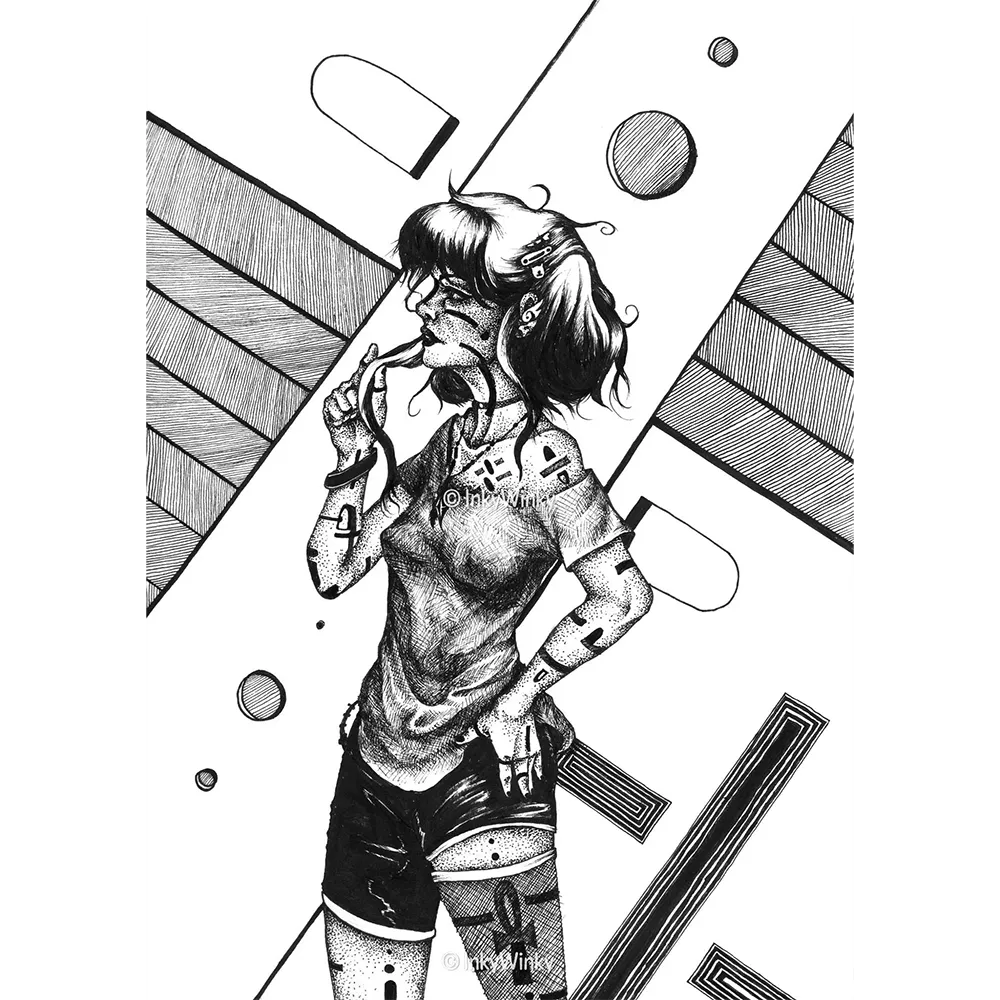
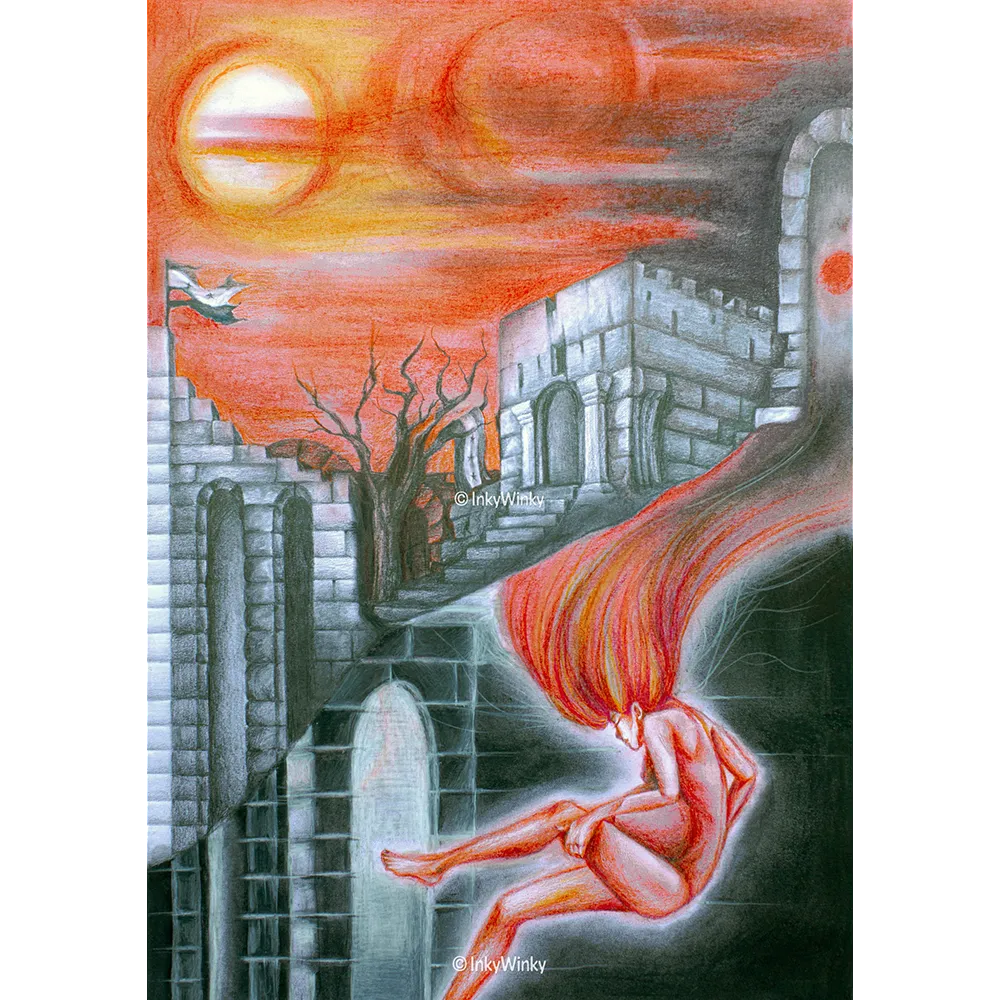
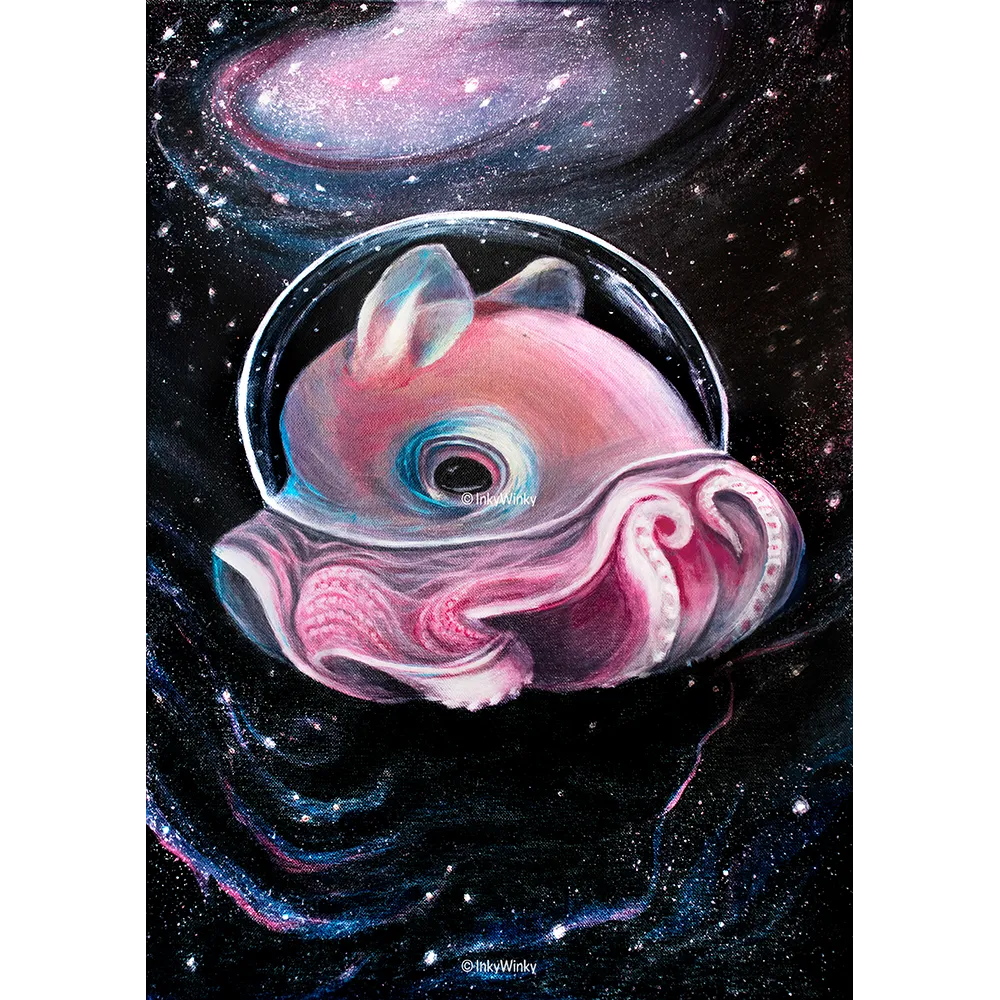
Acheter en ligne Art au fusain :

Parcourez notre gamme de Art au fusain ci-dessous, veuillez noter la disponibilité limitée des œuvres d'art originales.

Qu'est-ce que l'art au fusain ?

L'art au fusain est une forme d'expression visuelle qui utilise le fusain, un médium polyvalent dérivé du bois brûlé, pour créer des œuvres époustouflantes et expressives. Les artistes utilisent le fusain depuis des siècles, et sa popularité perdure grâce à ses qualités uniques. Le fusain permet des traits audacieux et dramatiques, allant des noirs profonds et veloutés aux gris subtils. Ce médium permet aux artistes de transmettre un large éventail d'émotions et de textures, ce qui en fait un favori tant pour les débutants que pour les professionnels chevronnés. Qu'il soit utilisé pour l'esquisse, l'ombrage ou le détail complexe, l'art au fusain capture l'essence de la vision de l'artiste d'une manière brute et percutante.

Qu'est-ce qui rend l'art au fusain si spécial ?

L'art au fusain possède un charme distinct qui le distingue des autres médiums. La richesse et la profondeur inhérentes au médium confèrent une qualité intemporelle aux créations. La nature tactile du travail au fusain, associée à ses capacités d'estompe et de mélange, permet aux artistes d'explorer un spectre de tons et de textures, conférant à leurs œuvres une qualité unique, presque éthérée. L'adaptabilité du fusain encourage les artistes à expérimenter à la fois les grands traits et les nuances délicates, favorisant un sentiment de liberté et de spontanéité dans le processus créatif. L'impermanence du fusain, qui peut être facilement effacé ou modifié, ajoute un élément d'imprévisibilité qui contribue à l'attrait de chaque pièce finie.

Quels types de techniques sont utilisés dans la réalisation d'œuvres au fusain ?

L'art au fusain englobe une variété de techniques que les artistes emploient pour obtenir différents effets et textures dans leurs créations. Voici quelques techniques fondamentales :

  • Hachures et hachures croisées : Les artistes utilisent des lignes parallèles (hachures) ou des lignes qui se croisent (hachures croisées) pour créer des ombres et des textures dans les dessins au fusain.
  • Estompage et maculage : La nature douce du fusain permet un estompage et un maculage faciles avec les doigts, des estompes ou des pinceaux, permettant des transitions douces entre les tons.
  • Techniques d'effacement : Les gommes peuvent être utilisées pour enlever sélectivement le fusain, créant des reflets et affinant les détails. Les gommes mie de pain sont particulièrement appréciées pour leurs capacités d'effacement malléables et précises.
  • Pointillé : Cette technique consiste à créer des images à l'aide de points, permettant le développement de la texture et de l'ombrage grâce à des marques individuelles soigneusement placées.
  • Poudre de fusain et lavis : Mélanger de la poudre de fusain avec de l'eau ou un liant crée un lavis, permettant aux artistes d'appliquer le fusain de manière plus fluide, rappelant la peinture.
  • Superposition : L'ajout de couches de fusain crée de la profondeur et de la richesse dans l'œuvre. Les artistes utilisent souvent une combinaison de différentes qualités de fusain pour des effets variés.
  • Dessin négatif : Consiste à dessiner les espaces autour d'un objet plutôt que l'objet lui-même, en soulignant les ombres et en assombrissant les zones lumineuses. Cette technique est particulièrement utile pour créer des détails complexes et améliorer le réalisme.

Ces techniques, entre autres, permettent aux artistes de repousser les limites de l'art au fusain, créant des œuvres visuellement captivantes qui mettent en valeur à la fois le talent et la créativité.

Right Place Right Time (Original) - InkyWinky

Où puis-je utiliser Art au fusain ?

Art au fusainfonctionne bien dans de nombreux environnements, mais nos recommandations incluent :

Salons, Bureaux à domicile, Espaces créatifs, Ateliers, Cafés, Cabinets d'avocats, Chambres, Bureaux d'entreprise, Hôtels, Réceptions, Salles de conférence et Bars à vin.

Si vous recherchez quelque chose pour une pièce différente, parcourez l'intégralité de notre magasin ci-dessous. Nous sommes certains d'avoir quelque chose pour vous.

What are the Themes Used in Charcoal Art?

Charcoal art embraces a wide array of themes, each offering a unique avenue for artistic expression. Some common themes explored in charcoal artwork include:

  • Portraiture: Often chosen for creating expressive and evocative portraits. Its ability to capture fine details and subtle variations in tone lends itself well to the nuanced rendering of faces, conveying emotions with striking intensity.
  • Nature and Landscapes: Charcoal's versatility allows artists to depict the organic textures of landscapes and natural scenes effectively. The medium excels in rendering the play of light and shadow in outdoor settings, from dense forests to expansive skies.
  • Still Life: Artists use charcoal to compose intricate still life arrangements, capturing the details of everyday objects. The medium's ability to convey depth and texture adds a tactile quality to these compositions.
  • Abstract and Expressive Art: Charcoal's bold, sweeping strokes actually make it an ideal medium for abstract and expressive artwork. Artists can explore emotion, movement, and energy through dynamic lines and shapes, pushing the boundaries of traditional representation.
  • Figurative Art: Charcoal allows artists to emphasize the human form, creating figurative art that ranges from classical studies to contemporary interpretations. The medium's adaptability suits both detailed anatomical drawings and gestural sketches.
  • Surrealism: Charcoal's dramatic contrasts and ability to evoke dreamlike atmospheres make it well-suited for surrealistic themes. Artists can explore the fantastical and otherworldly, pushing the boundaries of reality with imaginative and thought-provoking imagery.

Artists often blend these themes or create their own, using charcoal to convey personal narratives or commentaries on society. The themes explored in charcoal art are as diverse as the artists themselves, reflecting a broad spectrum of human experiences and perspectives.

What are the Different Kinds of Charcoal, and Why Do We Use Them?

Charcoal comes in various forms, each offering distinct advantages for artists. The primary types of charcoal include:

  • Vine Charcoal: Made from burned willow or grape vines. It is soft and produces light, easily erasable marks. Artists often use vine charcoal for initial sketches and preliminary drawings due to its forgiving nature.
  • Compressed Charcoal: Made by compressing powdered charcoal into stick or pencil form. It comes in varying degrees of hardness, allowing artists to create both bold, dark lines and finer, more controlled details. Compressed charcoal is suitable for more detailed work and achieving a wide range of tones.
  • Charcoal Pencils: By encasing them in wood, the artist is afforded a level of control similar to graphite pencils. They come in different hardness levels, making them versatile for various drawing techniques. Charcoal pencils are favored for detailed work and fine lines.
  • Charcoal Powder: A loose, fine powder that artists can apply with brushes or other tools. It is often used for large, expressive strokes, toning large areas quickly, or creating subtle gradients.
  • Willow Charcoal: Made from willow twigs and is softer than vine charcoal. It is valued for its rich, dark marks and is commonly used in expressive drawing and shading.

Artists choose different types of charcoal based on their preferences, the desired effect, and the specific requirements of their artwork. The variety in charcoal types allows for a wide range of creative possibilities.

What Kind of Materials Do We Use Charcoal On When Making Art?

Charcoal art can be created on a variety of surfaces, each contributing to the overall look and feel of the artwork. Common materials include:

  • Drawing Paper: Simple and common, but special because it comes with a slightly textured surface that isn't too coarse or too smooth. This kind of surface is a popular choice for charcoal art as it provides a good grip for the charcoal and allows for a range of techniques to be used.
  • Charcoal Paper: Specifically designed for charcoal, charcoal paper has a heavier weight and a textured surface that enhances the adherence of charcoal particles. It helps prevent smudging and allows for better control over the medium.
  • Toned Paper: Toned paper comes in various colors, such as beige or gray, and can add a unique dimension to charcoal artwork. Artists often use the toned surface to create highlights by selectively erasing or lifting charcoal. Choosing the right color can also add a mood to the artwork that isn't normally achievable through charcoal alone.
  • Canvas: Canvas, traditionally associated with oil and acrylic painting, can also be used for charcoal art. A primed canvas provides a smooth surface for detailed work, while unprimed canvas may allow for more texture.
  • Wood Panels: Charcoal art on wood panels can result in a distinctive and rustic appearance. The absorbent nature of wood allows for unique interactions with the charcoal medium. Controlling the direction of the stroke can produce wildly different results depending whether you stroke with, against or diagonally to the grain of the wood.
  • Watercolor Paper: Some artists experiment with using heavyweight watercolor paper for charcoal art. The paper's texture and thickness can handle the demands of charcoal drawing and shading.

The choice of surface depends on the artist's preference, the intended style of the artwork, and the desired interaction between the charcoal and the substrate. Each surface contributes to the overall aesthetic and impact of the finished piece.

Art au fusainiste :

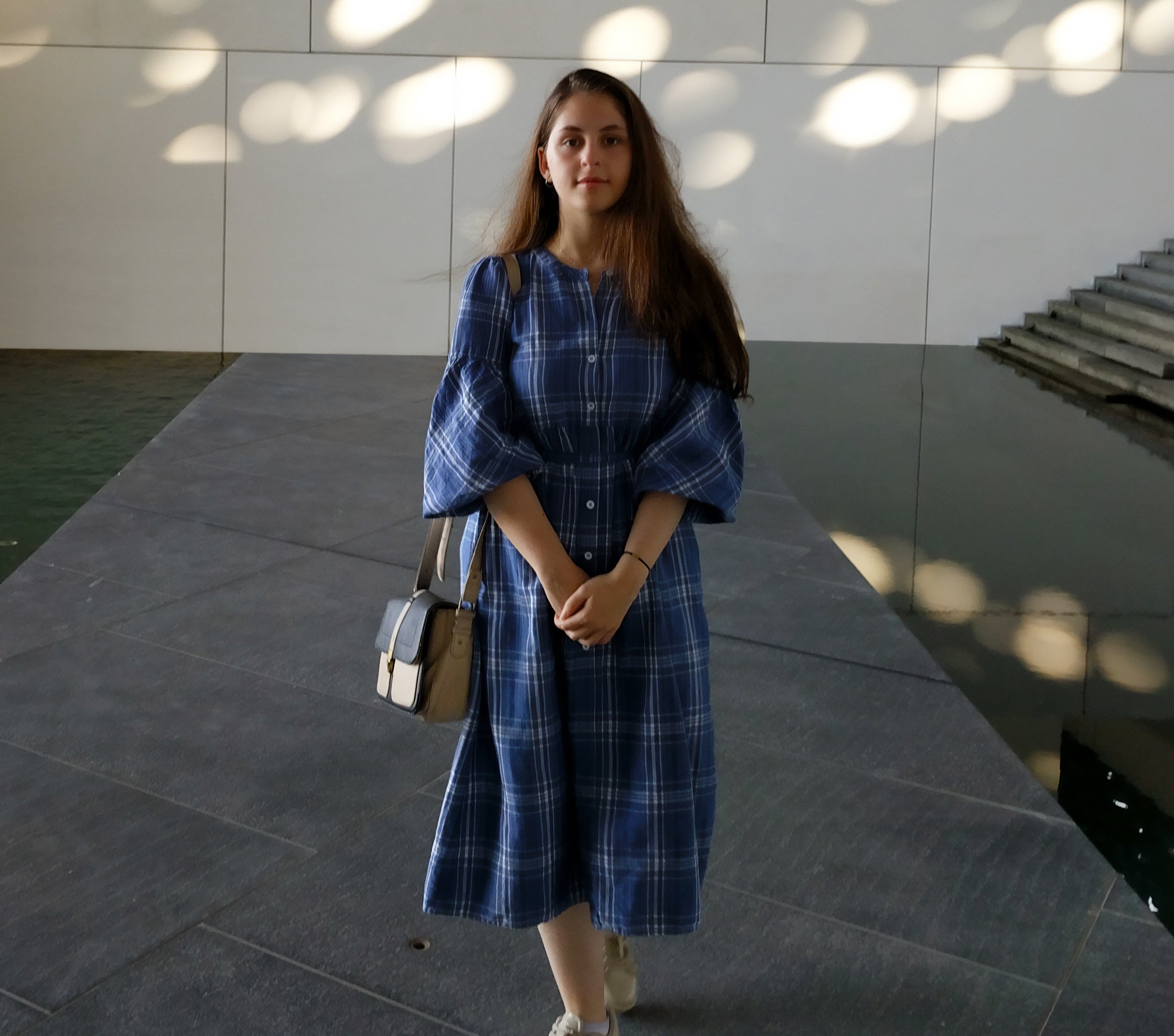
Découvrez Ayla Fowles. Born in Syria before the civil war, Ayla experienced first-hand the suffering and injustice caused by her government. Fleeing to Saudi, she lived through a different environment in a more r4eligiously conservative environment than what she was used to in Syria. As a result she spent her teenage years in her room as she desperately sought any freedom she could find, which she found that through art. Art was her form of expression and as the years went by, she practiced and practiced while she waited for an opportunity to leave.

She now gets to tell the story of her youth with the hope that she can show you how good things can come from bad situations, and to bring awareness to things she finds dear to her (or things that she thinks are really cool).

What Other Medium Is Popularly Used with Charcoal?

Charcoal art often synergizes with other artistic mediums, creating dynamic and multifaceted pieces. Some popular combinations include:

  • Graphite Pencil: Charcoal and graphite complement each other so well it's as thought they were made to go together. Artists often use graphite for precise details and fine lines, while charcoal adds depth and expressive strokes. Graphite also adds a reflective polished appearance to the artwork, while charcoal tends to create more of a matte surface. Combining both mediums give the artist incredible control over the way that light interacts with their artwork.
  • Ink: Combining charcoal with ink, either through pen and ink or ink wash techniques, allows artists to create intricate and textured drawings. The contrast between the boldness of charcoal and the precision of ink can result in visually striking compositions.
  • Pastels: Charcoal and soft pastels work harmoniously to create rich and vibrant artworks. Pastels can be applied over charcoal to introduce color, enhancing the overall visual impact without losing any of the benefits of using charcoal.
  • Watercolor: Charcoal and watercolor can create a beautiful contrast between the bold, dark lines of charcoal and the transparent, fluid nature of watercolor. Combining both forms via layering creates an expressive and dynamic quality to the artwork. Typically artists will use watercolor to set the background with the charcoal added towards the end of creating to define the shadows and foreground.
  • Acrylic or Oil Paint: Charcoal underpainting is a technique where artists use charcoal as a base layer before applying acrylic or oil paint. This method adds texture and depth to the final painting, with the charcoal subtly influencing the overall composition.
  • Mixed Media Collage: Charcoal works seamlessly within mixed media compositions. Artists may incorporate elements like newspaper clippings, fabric, or found objects, combining diverse materials for a layered and textured effect.

Artists often experiment with many different combinations to push the boundaries of their creativity, resulting in unique and innovative artworks that blend traditional and contemporary techniques.

Historically, Where Did Charcoal Come From?

Charcoal has a rich historical background, with its origins dating back thousands of years. The use of charcoal as a drawing medium can be traced to ancient civilizations, where early humans employed burnt sticks to create drawings on the walls of prehistoric caves. This primal form of artistic expression serves as the earliest evidence of charcoal's role in the creative process.

In ancient Egypt, charcoal found widespread use for both artistic and practical purposes. Artists utilized charcoal to craft detailed sketches and drawings, while it also played a crucial role in the creation of papyrus manuscripts. However, unlike other ancient drawing mediums, charcoal never fell out of favor. Moving forward in history, during medieval times, charcoal became integral to the production of illuminated manuscripts. Scribes used it for initial sketches and underdrawings, providing a foundation for the intricate and colorful pigments that would follow.

The Renaissance marked a significant period for charcoal in the art world. Renowned artists like Leonardo da Vinci and Michelangelo extensively used charcoal for their studies and preparatory sketches. The medium's versatility allowed for detailed anatomical drawings and expressive sketches. Throughout the centuries, charcoal has retained its prominence, becoming a cherished medium appreciated for its historical significance and timeless capacity to capture the essence of artistic vision.

What Kind of Emotions Does Charcoal Art Evoke in the Viewer?

Charcoal art has the power to evoke a wide range of emotions in viewers due to its expressive and versatile nature. Some common emotional responses include:

  • Intimacy The tactile quality of charcoal strokes can create an intimate connection between the artwork and the viewer. The raw and unpolished nature of charcoal drawings often elicits a sense of closeness and authenticity.
  • Melancholy: Charcoal's ability to create deep, shadowy tones can evoke a sense of melancholy or contemplation. Artists often use this quality to convey emotions associated with introspection or thoughtful reflection.
  • Drama and Intensity: The bold contrasts achievable with charcoal, particularly in chiaroscuro (light and shadow) techniques, can infuse a sense of drama and intensity. This can create a visually gripping experience that resonates emotionally with the viewer.
  • Timelessness: Charcoal's use in both traditional and contemporary art can give a sense of timelessness. Viewers may experience a connection to the past through the same medium that artists have used for centuries, fostering a sense of continuity and cultural richness.
  • Expressive Energy: The loose and dynamic strokes created with charcoal often convey a sense of energy and spontaneity. This can evoke emotions associated with movement, passion, or the immediacy of the artistic process.
  • Mystery and Atmosphere: Charcoal's ability to create soft, atmospheric effects with it's broad strokes, can imbue a sense of mystery and intrigue. Viewers may find themselves drawn into the artwork, contemplating the narratives or emotions suggested by the subtle play of light and shadow.

Ultimately, the emotional impact of charcoal art is subjective and can vary widely depending on the individual viewer's experiences, perceptions, and interpretations. Charcoal's unique qualities contribute to its ability to evoke a visceral and emotional response from those who engage with the artwork.

Powered by Omni Themes
Chat Support

Support
Typically replies within an hour

Hi there 👋

How can I help you?
×