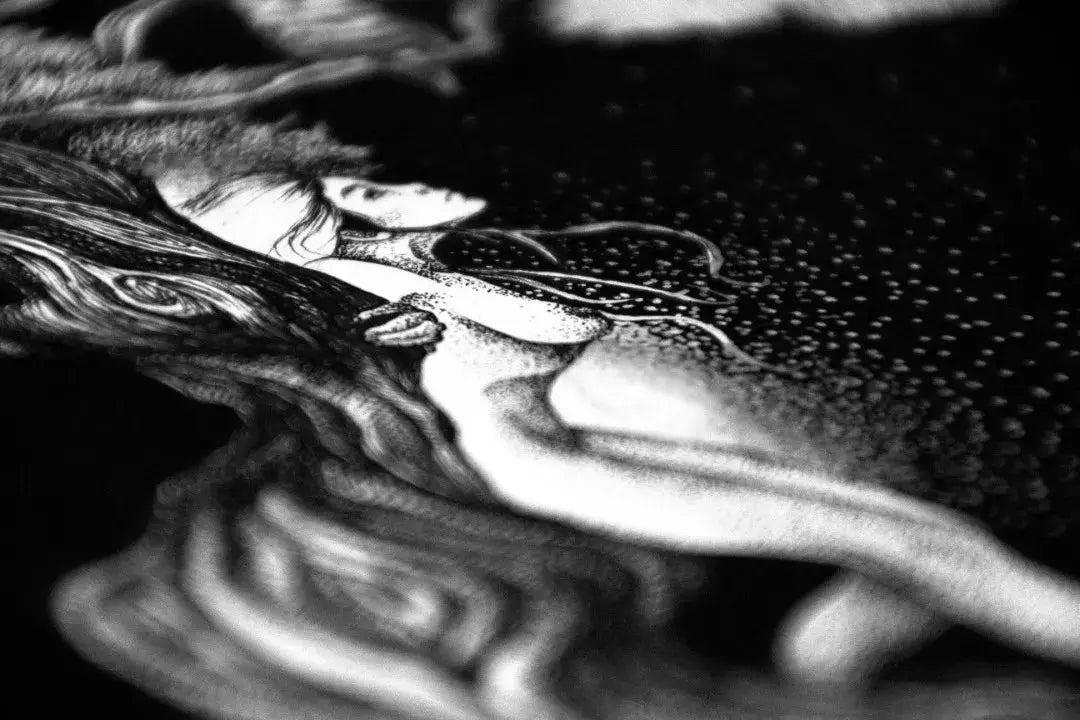
L'Expressionnisme Dévoilé : Exprimer des Émotions Puissantes et Personnelles

L'identité de l'Expressionnisme se forge dans les teintes vives, les coups de pinceau gestuels et l'imagerie symbolique employés par les artistes pour transmettre non seulement ce qui est vu, mais ce qui est ressenti. À travers l'exploration de sujets divers — allant de la figure humaine et de la vie urbaine à la nature et à la spiritualité — les artistes expressionnistes ont confronté l'angoisse existentielle, l'injustice sociale et les complexités de la psyché humaine. L'Expressionnisme a une forte résonance émotionnelle, offrant aux spectateurs une connexion directe et personnelle avec le monde intérieur de l'artiste. Ce dévoilement d'émotions puissantes et d'œuvres d'art percutantes nous invite à explorer les thèmes profonds, les techniques variées et les divers mouvements qui définissent l'Expressionnisme et garantissent sa pertinence durable dans la tapisserie en constante évolution de l'expression artistique. Poursuivez votre lecture pour en savoir plus sur l'Expressionnisme et comment vous pouvez posséder une œuvre d'art expressionniste unique.

Acheter en ligne Art expressionniste :

Parcourez notre gamme de Art expressionniste ci-dessous, veuillez noter la disponibilité limitée des œuvres d'art originales.

What is Expressionist Art?

Expressionist art is a movement that emerged in the early 20th century, primarily in Germany, as a reaction against the academic and realistic styles that dominated the art scene. Expressionism sought to convey emotions, feelings, and the human experience through distorted and exaggerated depictions of the world. Unlike Impressionism, which focused on capturing light and atmosphere, Expressionist artists aimed to evoke a subjective, often raw emotional response from the viewer.

Expressionism encompasses a wide range of artistic forms, including painting, sculpture, literature, film, architecture, and dance. The movement was not confined to a specific style but shared a common goal of expressing inner emotions rather than depicting objective reality. Some key characteristics of Expressionist art include vibrant colors, bold brushstrokes, distorted or exaggerated forms, and a sense of emotional intensity.

Why is it Called Expressionism?

The term "Expressionism" was first used in relation to art in the early 20th century, and was initially associated with the work of German artists such as Emil Nolde and Ernst Ludwig Kirchner. The term "Expressionism" comes from the German expressionistisch, which means "expressionist" or "expressive."

The name reflects the movement's focus on expressing the innermost feelings and experiences of the artist, rather than depicting the external world in a realistic way. It was also used to distinguish the movement from other contemporary styles, such as Impressionism, which focused on capturing the visual impression of a moment.

In addition to its historical and cultural context, the name "Expressionism" can also be seen in relation to other art movements. For example, the term "Abstract Expressionism" was used to describe the work of American artists such as Jackson Pollock and Willem de Kooning, who were influenced by the gestural brushwork and emotional intensity of the Expressionists.

Why is it Called Expressionism?

The term "Expressionism" was first used in relation to art in the early 20th century, and was initially associated with the work of German artists such as Emil Nolde and Ernst Ludwig Kirchner. The term "Expressionism" comes from the German expressionistisch, which means "expressionist" or "expressive."

The name reflects the movement's focus on expressing the innermost feelings and experiences of the artist, rather than depicting the external world in a realistic way. It was also used to distinguish the movement from other contemporary styles, such as Impressionism, which focused on capturing the visual impression of a moment.

In addition to its historical and cultural context, the name "Expressionism" can also be seen in relation to other art movements. For example, the term "Abstract Expressionism" was used to describe the work of American artists such as Jackson Pollock and Willem de Kooning, who were influenced by the gestural brushwork and emotional intensity of the Expressionists.

How do you identify Expressionist Art?

Expressionist art is characterized by distinct visual elements and thematic content that set it apart from other art movements. To recognize Expressionist works, consider the following key features:

Visual Elements:

  • Bold Colors: Expressionist artworks often employ intense, non-naturalistic colors to evoke strong emotional responses.
  • Distorted Forms: Artists intentionally distort and exaggerate forms, creating a heightened sense of emotion and intensity.
  • Aggressive Brushwork: Dynamic and bold brushstrokes are a hallmark of Expressionism, adding energy and urgency to the composition.
  • Subjective Perspective: Traditional perspective is often abandoned in favor of a more subjective interpretation, emphasizing emotional content over realism.

Themes and Subjects:

  • Emotional Content: Expressionist art delves into intense emotions, conveying the artist's inner experience rather than aiming for objective representation.
  • Social Critique: Many Expressionist works critique social and political issues, reflecting a desire for change and a questioning of societal norms.
  • Isolation and Alienation: The theme of isolation and alienation is prevalent, depicting the individual's struggle to find meaning in a rapidly changing world.

These visual elements and thematic considerations collectively define the essence of Expressionist art, making it distinguishable within the broader spectrum of artistic movements.

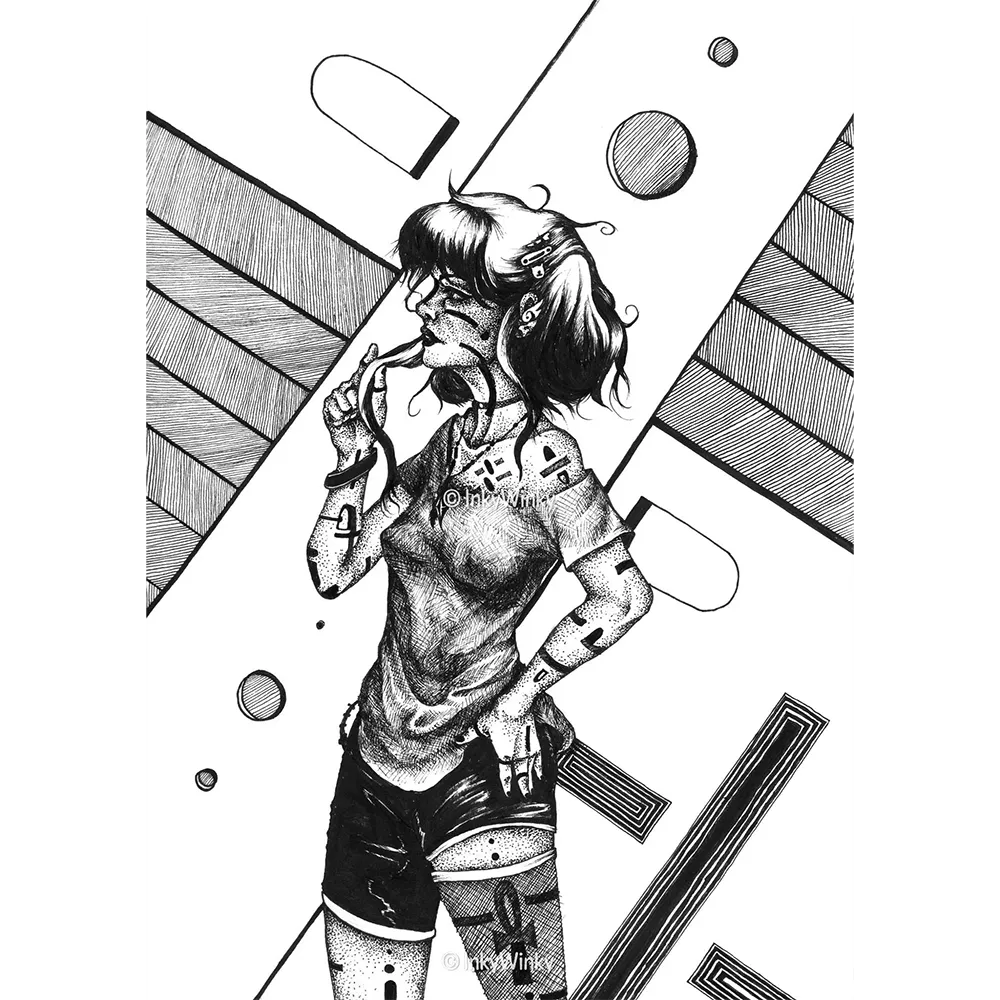
Right Place Right Time (Original) - InkyWinky

Où puis-je utiliser Art expressionniste ?

Art expressionnistefonctionne bien dans de nombreux environnements, mais nos recommandations incluent :

Espaces créatifs, Bureaux à domicile, Ateliers, Établissements de soins de santé, Salles d'attente, Réceptions, Spas, Librairies, Chambres à coucher, Gymnases, Bibliothèques, Hôtels et Magasins de meubles.

Si vous recherchez quelque chose pour une pièce différente, parcourez l'intégralité de notre magasin ci-dessous. Nous sommes certains d'avoir quelque chose pour vous.

What are the Different Types of Expressionist Art Movements?

Expressionism has influenced various art movements, each with its unique characteristics and mediums. Some significant types of Expressionist art movements include:

  • Avant-Garde Expressionism: Pushing artistic boundaries, Avant-Garde Expressionism challenged conventional norms and embraced experimentation in various forms of visual and performing arts.
  • Bauhaus Expressionism: Emerging from the Bauhaus school, this movement fused Expressionist principles with a focus on functionality and design, resulting in innovative and aesthetically pleasing works.
  • Conceptual Expressionism: This movement combined the emotive qualities of Expressionism with conceptual approaches, emphasizing the idea or concept behind the artwork as equally important as its visual expression.
  • Constructivism Art: Integrating Expressionist emotion with a commitment to industrial materials and construction techniques, Constructivism Art sought to create dynamic and socially engaged works often in three-dimensional forms.
  • Neo-Expressionism: A resurgence of Expressionist principles in the late 20th century, Neo-Expressionism reinterpreted the movement's themes with contemporary perspectives, creating a bridge between traditional Expressionism and modern art.


What are the Common Techniques Used in Expressionist Art?

Expressionist artists employed various techniques to convey their emotional and subjective visions. Key techniques include:

  • Chiaroscuro: Expressionists often used strong contrasts between light and dark to intensify the emotional impact of their work.
  • Sgraffito: Artists scratched the surface of the paint to reveal underlying layers, adding texture and depth to the composition.
  • Gestural Brushwork: The use of bold, gestural brushstrokes added energy and emotion to the artwork, allowing the artist's process to become part of the expressive experience.
  • Distortion: Artists purposefully distorted forms and perspectives to emphasize emotional content over realistic representation.
  • Collage: Some Expressionists incorporated collage techniques, layering different materials to create visually and texturally complex works.
  • Primitivism: Drawing inspiration from non-Western art and the art of children, Expressionists embraced primitivism to evoke a sense of immediacy and authenticity.


How Does Expressionist Art Make You Feel?

Expressionist art aims to evoke strong emotional responses and often prompts viewers to engage with their own feelings. When experiencing Expressionist art, one might feel:

  • Intense Emotions: The bold use of color, distorted forms, and expressive brushwork can elicit powerful emotional reactions, ranging from joy and excitement to anxiety and melancholy.
  • Connection to the Artist's Experience: Expressionist works often provide a glimpse into the artist's inner world, fostering a sense of connection and empathy with their personal struggles and triumphs.
  • A Sense of Urgency: The dynamic and energetic qualities of Expressionist art may create a feeling of immediacy and urgency, drawing the viewer into the intensity of the moment.


What Are the Themes of Expressionist Art?

Expressionist art delves into profound and often tumultuous themes, providing a visceral and emotional experience for the viewer. Beyond the visual elements highlighted earlier, the thematic exploration in Expressionist art is a compelling aspect:

Themes and Subjects:

  • Existential Turmoil: Expressionist works frequently delve into the existential struggles of individuals, depicting the anxiety and turmoil of the human condition in the face of modernity and societal changes.
  • Psychological Unrest: Artists use distorted forms and symbolic imagery to explore the complexities of the human psyche, offering a visual representation of internal emotional states.
  • Dystopian Visions: Some Expressionist pieces convey a sense of dystopia, reflecting the artists' concerns about the dehumanizing effects of industrialization, war, and societal structures.
  • Spiritual Quest: Der Blaue Reiter, in particular, explored spiritual themes, seeking a connection between art and the divine. Symbolism, mysticism, and the quest for transcendence are prevalent in these works.
  • Social Critique and Injustice: Expressionist artists often used their work to critique social and political injustices, highlighting issues such as poverty, inequality, and the impact of war on the human psyche.

The thematic richness of Expressionist art not only captures the zeitgeist of the early 20th century but continues to resonate with audiences, inviting contemplation and reflection on the human experience.

Art expressionnisteiste :

Découvrez Ayla Fowles. Born in Syria before the civil war, Ayla experienced first-hand the suffering and injustice caused by her government. Fleeing to Saudi, she lived through a different environment in a more r4eligiously conservative environment than what she was used to in Syria. As a result she spent her teenage years in her room as she desperately sought any freedom she could find, which she found that through art. Art was her form of expression and as the years went by, she practiced and practiced while she waited for an opportunity to leave.

She now gets to tell the story of her youth with the hope that she can show you how good things can come from bad situations, and to bring awareness to things she finds dear to her (or things that she thinks are really cool).

D'où vient l'art expressionniste ?

L'art expressionniste est apparu au début du 20e siècle en réaction aux styles académiques et réalistes dominants de l'époque. Ses racines remontent aux bouleversements culturels et sociaux en Europe à la fin du 19e et au début du 20e siècle. Le mouvement a trouvé un terrain fertile en Allemagne, où un sentiment de désillusion face à l'industrialisation, à l'urbanisation rapide et aux expériences traumatisantes de la Première Guerre mondiale a alimenté le désir des artistes d'exprimer des émotions intenses et des expériences subjectives. L'expressionnisme, sous ses diverses formes, est devenu une réponse au paysage changeant du monde moderne, offrant une plateforme aux artistes pour transmettre leurs pensées et sentiments les plus intimes.

Quel est le sujet commun des artistes expressionnistes ?

Les artistes expressionnistes ont souvent exploré un large éventail de sujets, reflétant l'accent mis par le mouvement sur la transmission d'émotions intenses et de l'expérience humaine. Certains sujets courants comprennent :

  • La figure humaine : L'art expressionniste se concentre fréquemment sur la forme humaine, les artistes utilisant des figures déformées et exagérées pour transmettre une intensité émotionnelle et une profondeur psychologique.
  • La vie urbaine : De nombreux expressionnistes ont dépeint les défis et l'aliénation associés à l'existence urbaine moderne. Le paysage urbain est devenu un symbole du tissu social en mutation et de l'impact de l'industrialisation.
  • Nature et spiritualité : Certains expressionnistes, en particulier ceux associés à Der Blaue Reiter, ont incorporé des thèmes de la nature et de la spiritualité. Des représentations symboliques d'animaux, de paysages et d'expériences mystiques ont été explorées pour se connecter à une compréhension plus profonde, souvent transcendante, de l'existence.
  • Critique sociale et politique : Les artistes expressionnistes ont utilisé leur travail comme plateforme pour critiquer les normes sociétales, les structures politiques et les conséquences de la guerre. L'art est devenu un moyen d'exprimer des préoccupations concernant l'injustice, l'inégalité et les effets déshumanisants de la société contemporaine.

Pourquoi l'art expressionniste est-il important ?

L'art expressionniste conserve une signification durable pour plusieurs raisons :

  • Résonance émotionnelle : Les œuvres expressionnistes continuent de susciter de fortes réponses émotionnelles chez les spectateurs. L'accent mis sur l'expression personnelle et la représentation des expériences intérieures permet une connexion profonde entre l'artiste et le public.
  • Compréhension historique : L'art expressionniste constitue un témoignage visuel et émotionnel des temps tumultueux de son émergence. Il offre une perspective unique sur les défis sociaux, politiques et culturels rencontrés par les individus pendant les périodes de changement rapide.
  • Influence sur les mouvements ultérieurs : L'expérimentation audacieuse et la rupture avec les normes traditionnelles dans l'art expressionniste ont eu une profonde influence sur les mouvements artistiques ultérieurs. Des éléments de l'expressionnisme peuvent être observés dans des mouvements ultérieurs tels que l'expressionnisme abstrait et le néo-expressionnisme.
  • Individualisme et subjectivité : L'expressionnisme défend la voix de l'artiste individuel et l'expérience subjective. Dans un monde de plus en plus façonné par la culture de masse, le mouvement nous rappelle l'importance de l'expression personnelle et de l'authenticité dans l'art.
  • Pertinence pour les problèmes contemporains : Les thèmes explorés dans l'art expressionniste, y compris la critique sociale, l'angoisse existentielle et la recherche de sens, restent pertinents dans le monde d'aujourd'hui. L'exploration de la condition humaine par le mouvement continue de résonner auprès du public contemporain, incitant à la réflexion sur les aspects universels de l'expérience humaine.
Powered by Omni Themes
Chat Support

Support
Typically replies within an hour

Hi there 👋

How can I help you?
×