Symphonie du stylo et du papier : l'art de l'encre

Découvrez la danse harmonieuse entre les stylos et les différents médiums, alors que les artistes mélangent habilement l'encre avec l'aquarelle, les marqueurs et les outils numériques pour créer des chefs-d'œuvre qui transcendent les frontières traditionnelles. Joignez-vous à nous pour démêler les émotions suscitées par l'art du stylo, des détails impressionnants aux réflexions nostalgiques et aux liens profonds formés par les traits sur le papier. Continuez à lire pour en savoir plus sur l'art du stylo et comment vous pouvez vous procurer une pièce spéciale d'art du stylo (encre).

Acheter en ligne Dessin à la plume :

Parcourez notre gamme de Dessin à la plume ci-dessous, veuillez noter la disponibilité limitée des œuvres d'art originales.

What is Pen (Ink) Art?

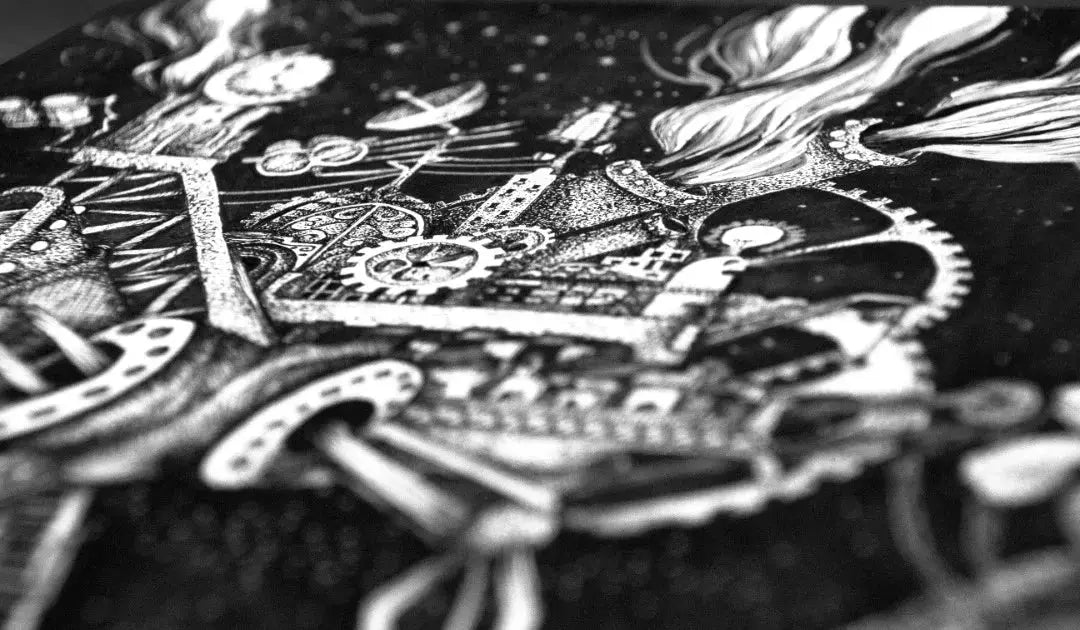
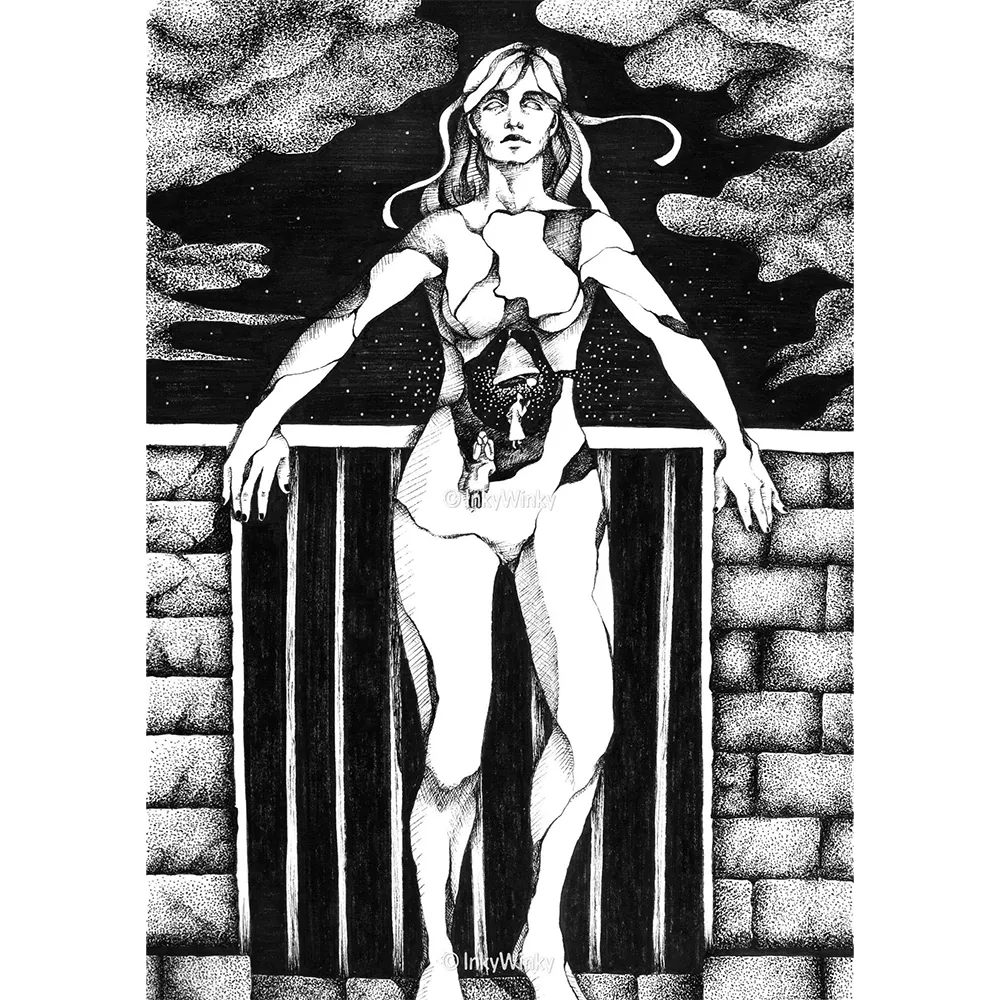
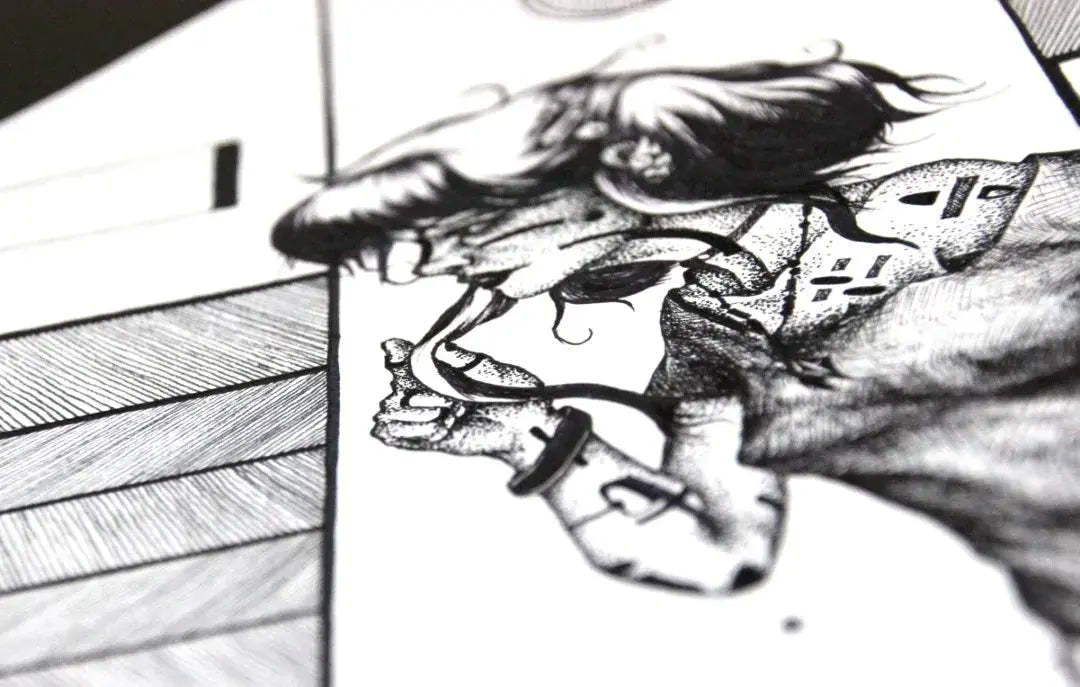
Pen art, often referred to as pen and ink drawing, is a form of visual expression that relies on the use of pens, typically fine-tipped ones, to create intricate and detailed illustrations. This art form has a rich history dating back centuries, with examples found in illuminated manuscripts and architectural drawings. The primary tool in pen art is, of course, the pen, but artists may also use different types of ink to achieve various effects.

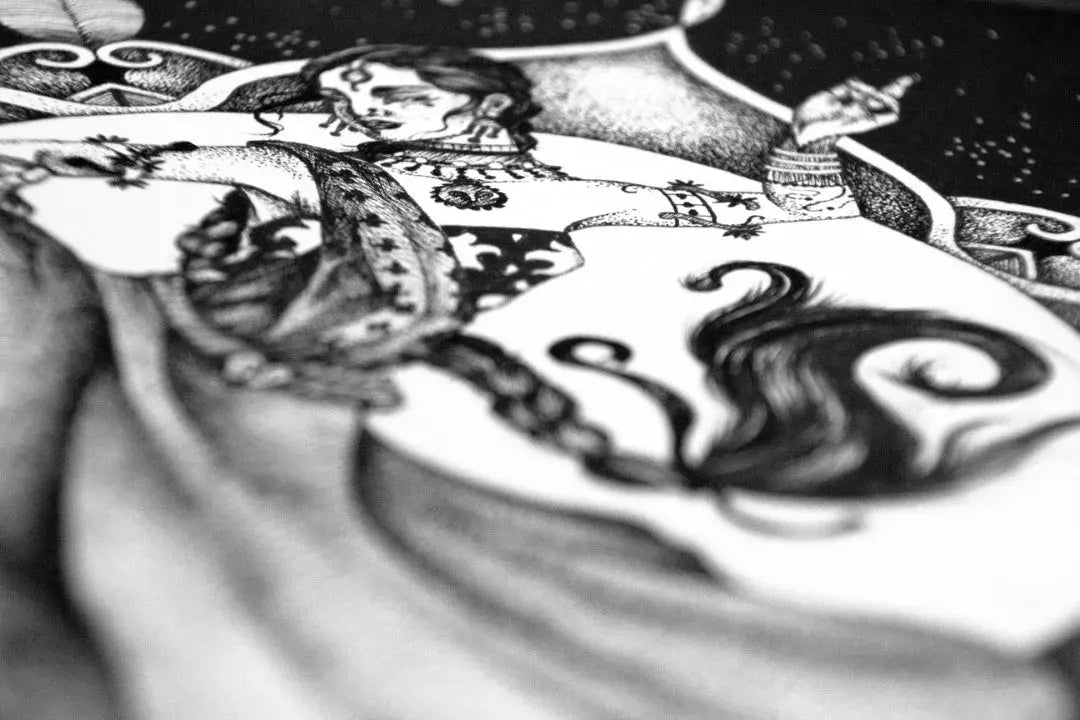
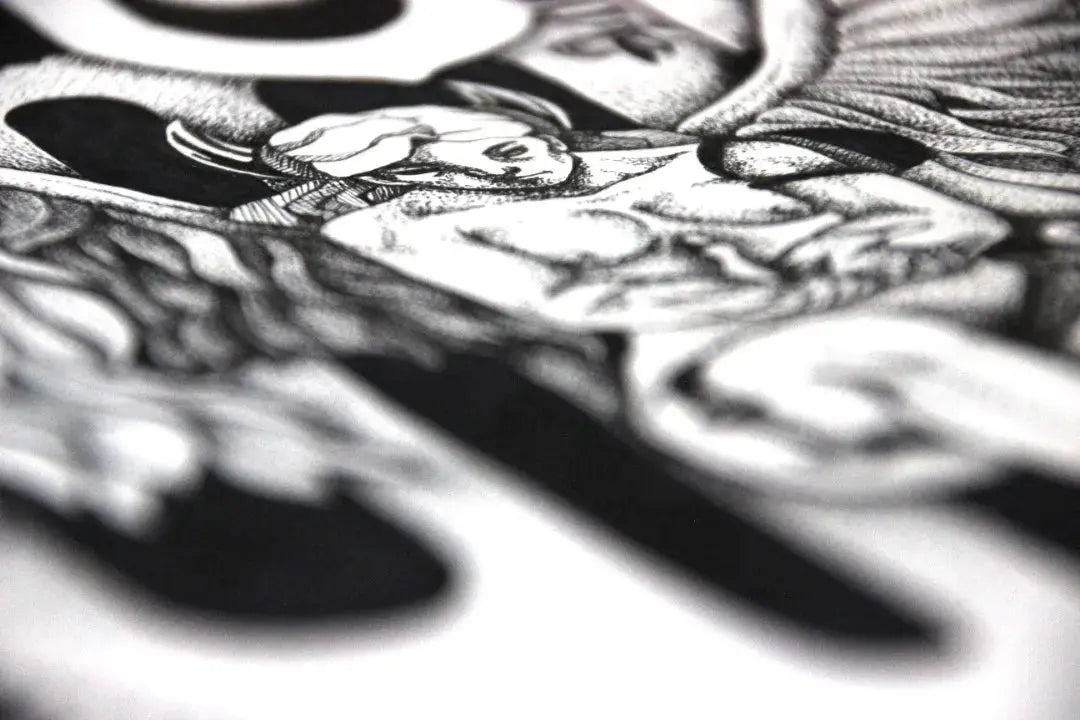
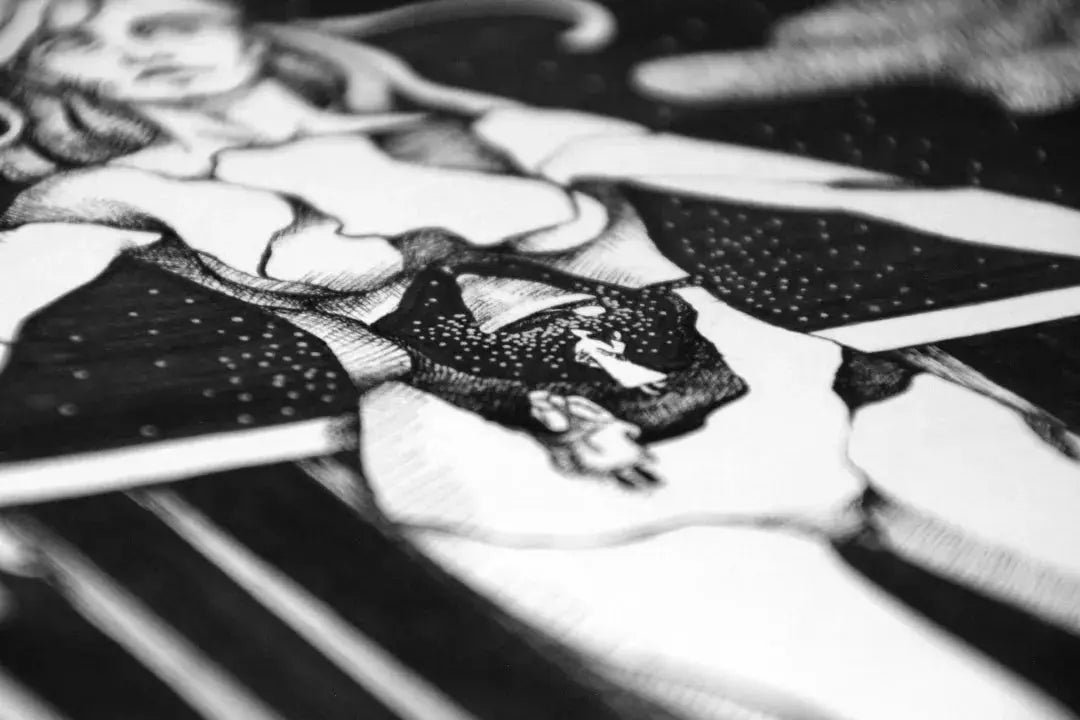
Pen art is characterized by its precision and the artist's ability to convey intricate details through the controlled application of lines. Unlike other drawing mediums, such as charcoal or graphite, pens lack the range of shading possibilities, which challenges artists to explore the potential of lines and hatching techniques to create depth and texture.

What Makes Pen Art Special?

Pen art possesses a unique charm that sets it apart from other forms of visual expression. The precision required in pen drawing demands a high level of skill and patience, making the creation of each piece a labor of love. The stark contrast between the bold lines and negative space in pen art creates a visually striking effect, allowing for a focus on the minute details that may be overlooked in other mediums.

One of the defining features of pen art is its permanence. Once a line is drawn, it becomes an indelible part of the artwork. This unforgiving nature of the medium requires artists to approach their work with a deliberate and thoughtful mindset. Each stroke carries significance, contributing to the overall composition in a way that distinguishes pen art as a meticulous and deliberate form of expression.

What Kind of Techniques are Used When Making Pen Art?

Several techniques are employed by artists to achieve different effects and textures in pen art:

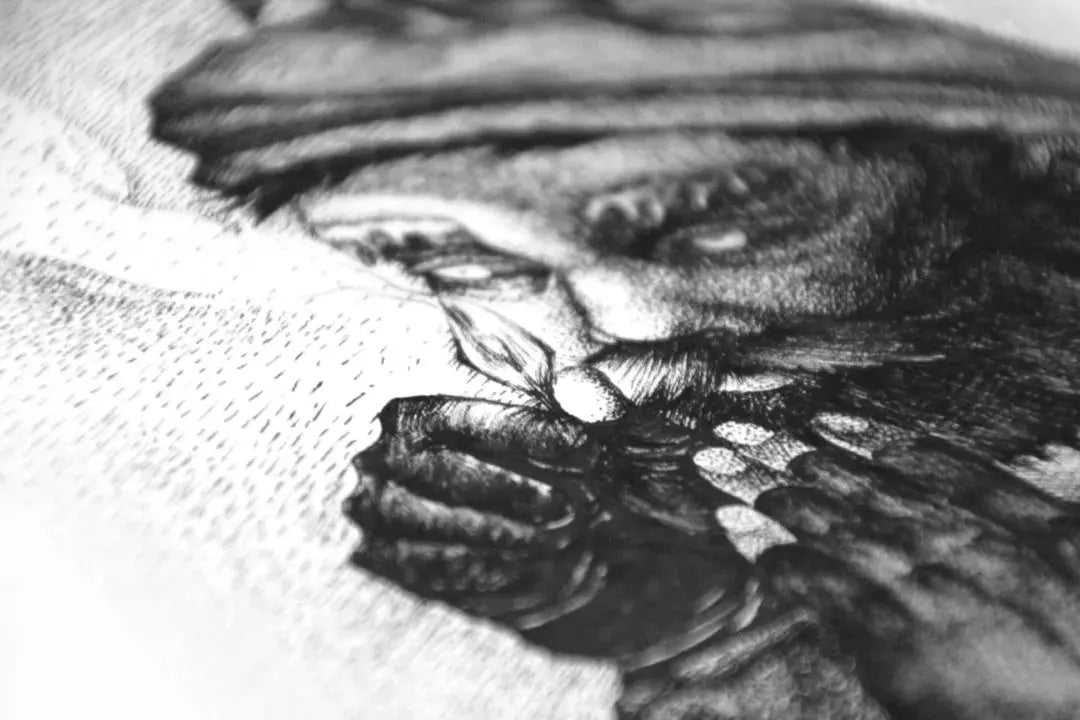
  • Hatching and Cross-Hatching: This involves creating a series of parallel lines (hatching) or intersecting lines (cross-hatching) to build up tones and shading.
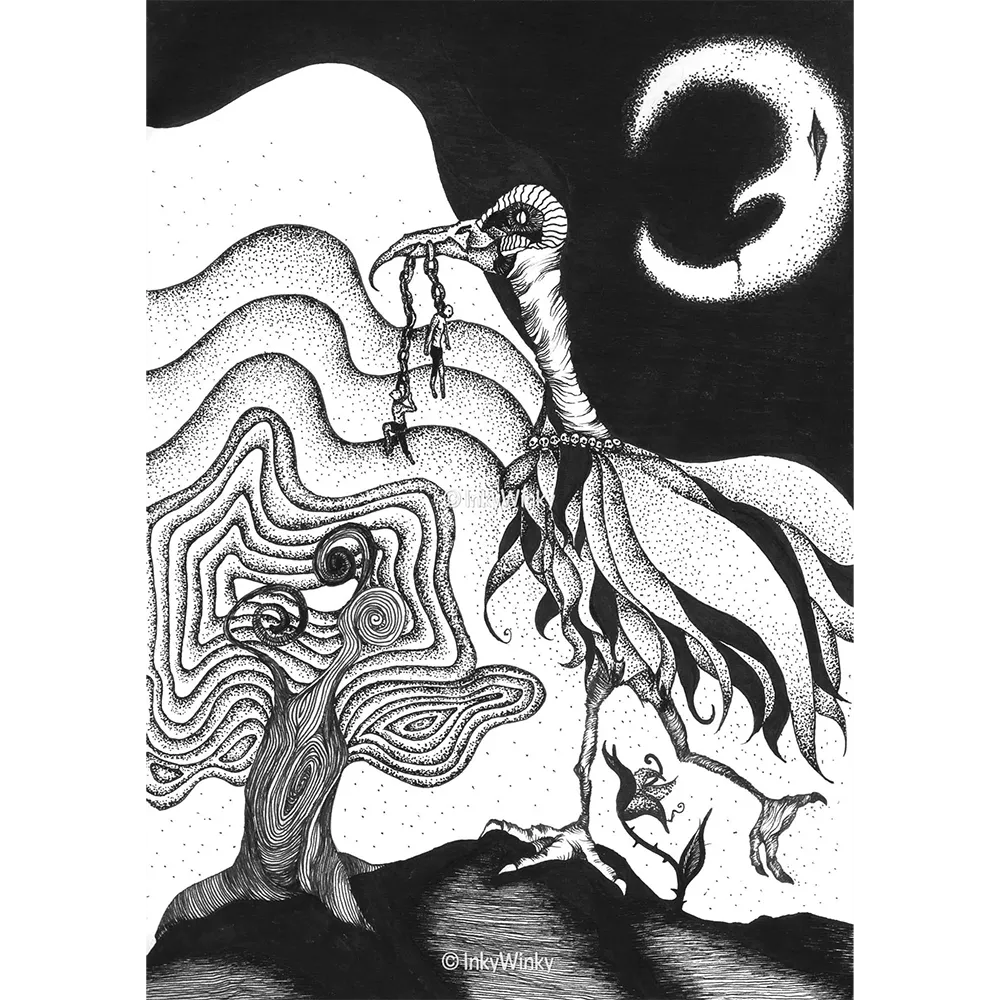
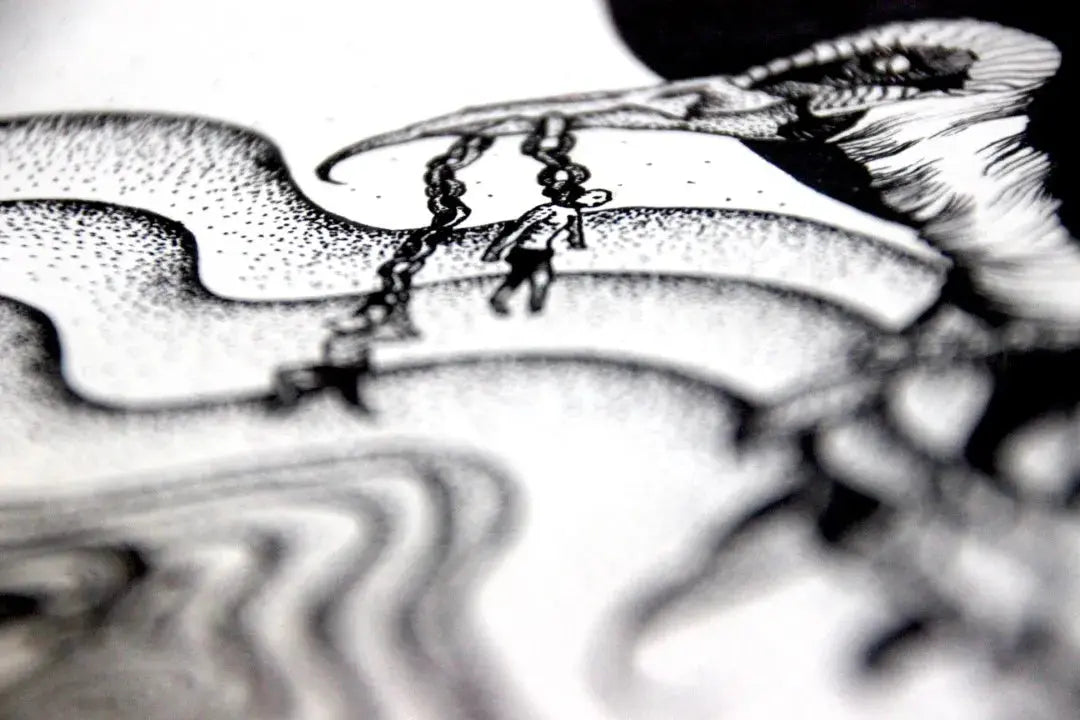
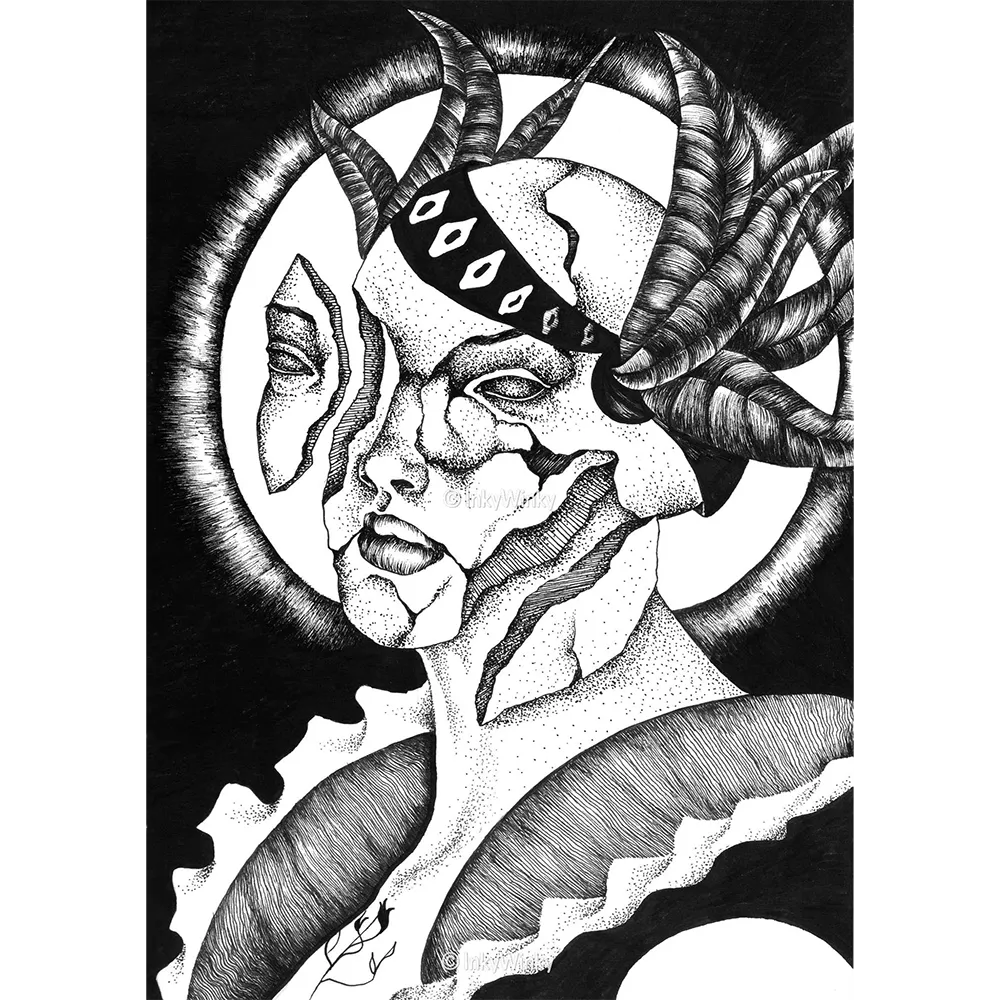
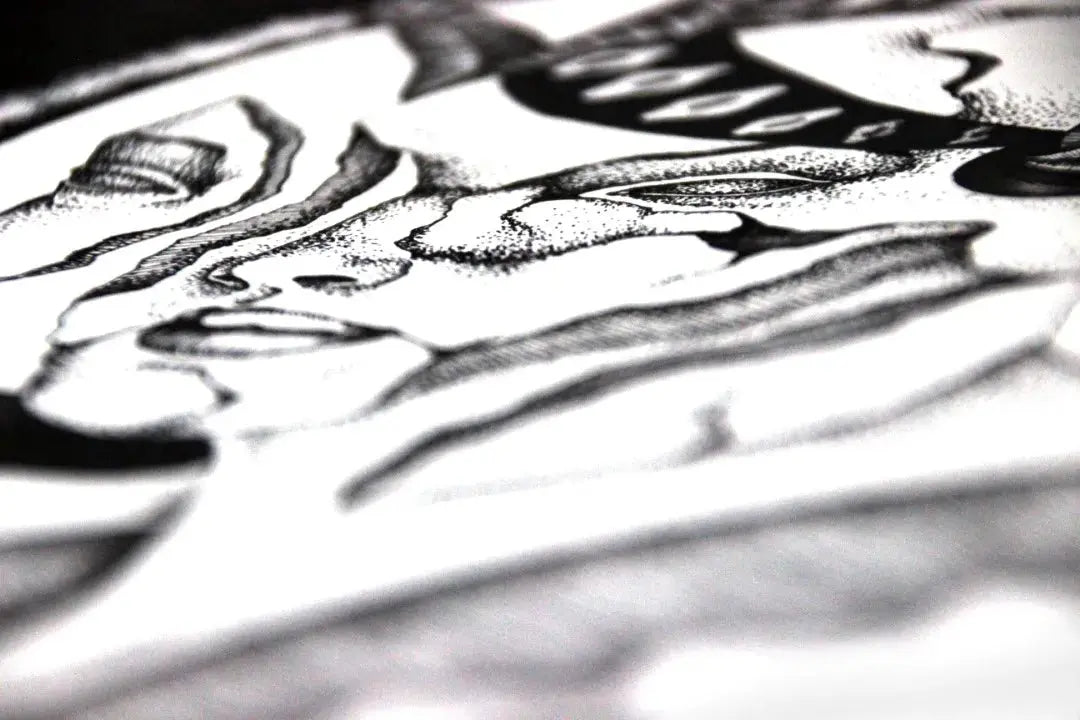
  • Stippling: Using dots to create shading and textures, stippling requires precision and patience to achieve the desired effect.
  • Contour Lines: These are lines that define the edges of forms, emphasizing the three-dimensional aspects of the subject.
  • Scumbling: Lightly shading an area with a series of tiny circles or scribbles to create a soft, textured effect.
  • Line Weight: Varying the thickness of lines to add emphasis and depth, with thicker lines often used for foreground elements.

Pen artists often combine these techniques, experimenting with different line patterns and styles to develop their unique artistic voice. The choice of pen type and ink can also influence the final outcome, allowing for a wide range of expressive possibilities in this captivating art form.

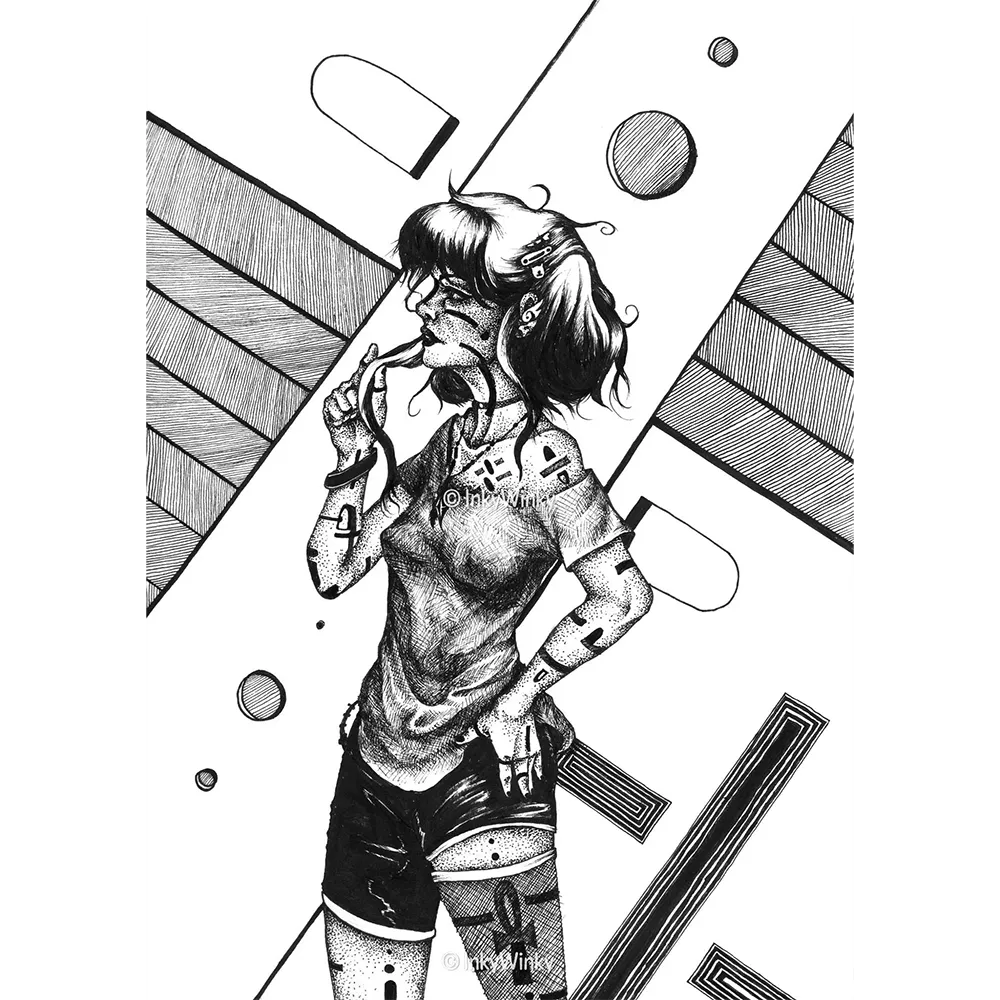
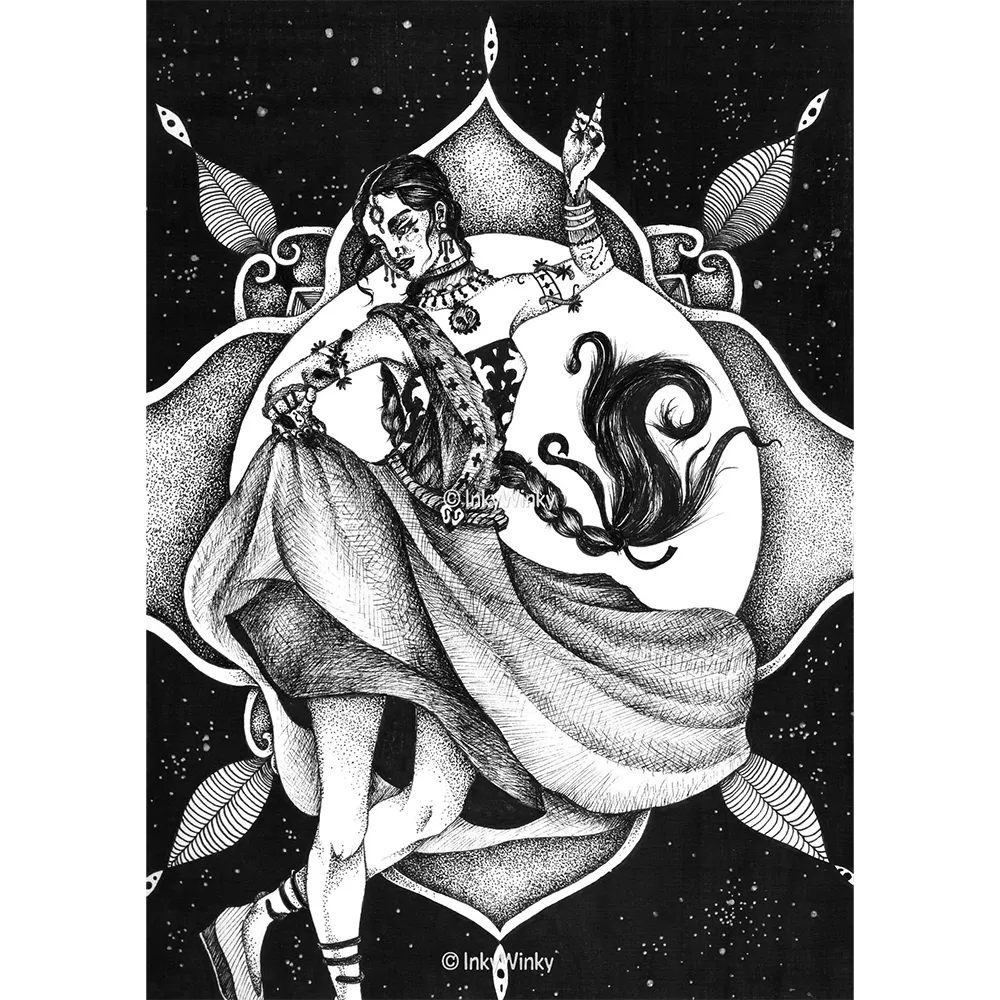
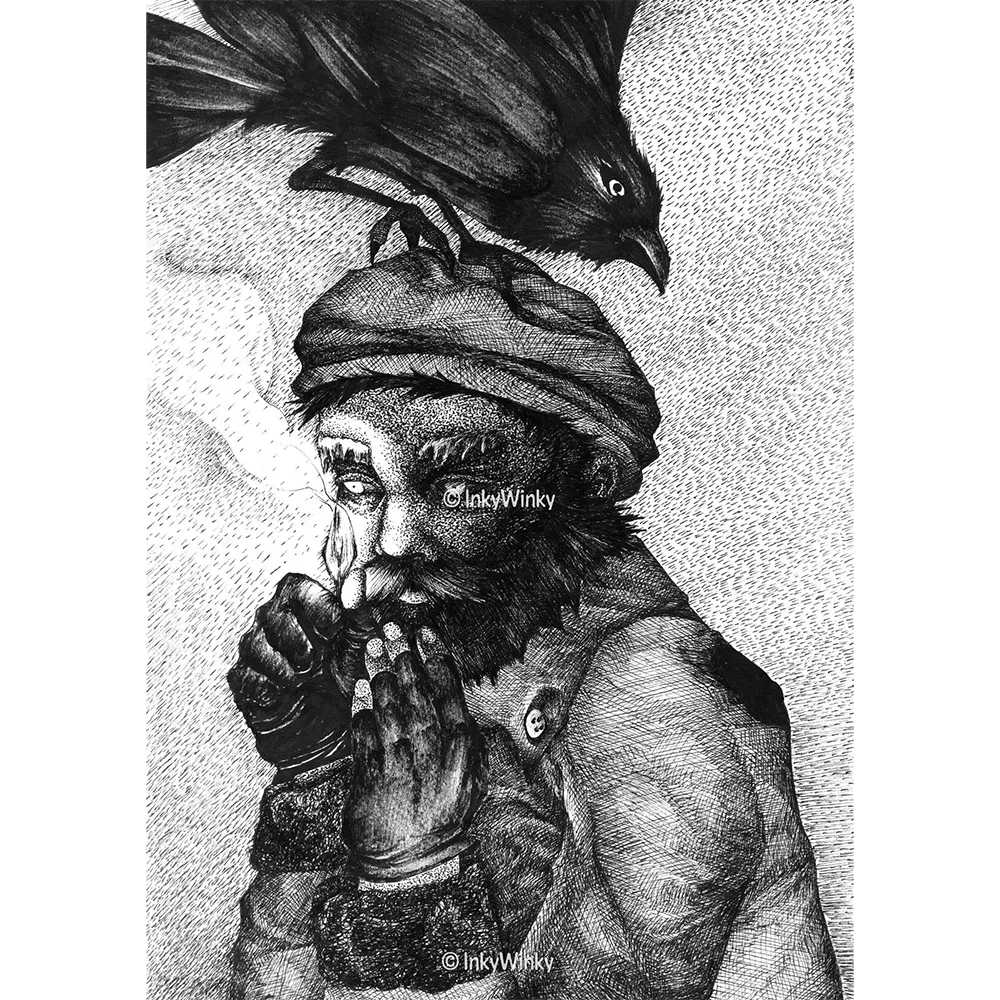
The Gypsy - InkyWinky

Où puis-je utiliser Dessin à la plume ?

Dessin à la plumefonctionne bien dans de nombreux environnements, mais nos recommandations incluent :

Espaces créatifs, Cafés, Bâtiments gouvernementaux, Librairies, Écoles, Magasins de meubles, Chambres, Bars à vin, Salles d'attente, Bureaux de poste et Réceptions.

Si vous recherchez quelque chose pour une pièce différente, parcourez l'intégralité de notre magasin ci-dessous. Nous sommes certains d'avoir quelque chose pour vous.

What are the Themes Used in Pen Art?

Pen art covers a diverse range of themes, allowing artists to express themselves in various ways. Some common themes explored in pen art include:

  • Nature and Botanicals: Many pen artists find inspiration in the intricacies of nature, creating detailed drawings of plants, flowers, and landscapes. The precision of pen strokes allows for the portrayal of the delicate details found in the natural world.
  • Portraiture: Portraits in pen art showcase the artist's ability to capture the essence of a person through lines and contours. This theme often emphasizes the expressive power of minimalism and simplicity.
  • Architecture: The precision and control afforded by pen and ink make it an ideal medium for architectural drawings. Artists can convey the intricate details of buildings, bridges, and urban landscapes with remarkable accuracy.
  • Fantasy and Surrealism: Some pen artists delve into the realms of imagination, creating fantastical and surreal worlds. The fine lines of pen art can bring otherworldly scenes to life with a touch of whimsy or mystery.
  • Abstract and Geometric: Pen art is not limited to realism. Many artists explore abstract and geometric themes, using lines and patterns to create visually engaging and thought-provoking compositions.
  • Storytelling and Narrative: Some pen artists use their work to tell stories, either through a series of images or a single, intricate illustration. This theme often involves the incorporation of symbolic elements and hidden details.

What are the Different Kinds of Pen Art and Why Do We Use Them?

Pen art encompasses various styles and techniques, each serving a unique purpose in artistic expression. Some notable types of pen art include:

  • Cross-Hatching and Stippling: These techniques are often employed for shading and texture. Cross-hatching involves intersecting lines, while stippling uses dots, and both contribute to the overall tone and atmosphere of the artwork.
  • Pointillism: Similar to stippling but with more pronounced dots, pointillism involves creating an image through the careful placement of individual dots. This method is known for its ability to produce vibrant and detailed compositions.
  • Line Art: Focused on the purity of lines, line art emphasizes the contours and outlines of subjects. It is often used in illustrations, comics, and graphic design.
  • Pen and Wash: Combining pen work with watercolor or ink washes, this technique adds depth and color to pen drawings. It provides an opportunity to explore a broader range of tones and visual effects.
  • Zentangle: A form of structured, patterned doodling, Zentangle involves the creation of intricate designs within defined spaces. It is a meditative and relaxing approach to pen art.

The choice of a specific type of pen art depends on the artist's intention and the desired visual impact. Different techniques lend themselves to various themes and genres, allowing artists to select the approach that best suits their creative vision.

What Kind of Materials Do We Use Pens for When Making Art?

Pen art requires specific materials to achieve the desired results. Here are some key elements:

  • Pens: Fine-tipped pens are the primary tool for pen art. Artists often choose pens with different nib sizes for varied line weights. Popular choices include technical pens, fountain pens, and disposable fine liners.
  • Ink: The type of ink used can significantly impact the final result. Artists may opt for traditional black ink or experiment with colored inks to add vibrancy to their creations.
  • Paper: The choice of paper is crucial in pen art. Artists often prefer smooth, acid-free paper to ensure the longevity of their work. Heavyweight paper prevents ink bleed-through and provides a sturdy surface for detailed drawings.
  • Erasers: Since pen marks are permanent, artists often use erasers to remove pencil guidelines or make corrections. Kneaded erasers are popular for their gentle and precise erasing capabilities.
  • Rulers and Templates: Straight edges, curves, and templates aid in creating precise lines and shapes, especially in architectural or technical drawings.
  • Watercolor or Ink Washes (for Pen and Wash): When incorporating color into pen art, artists may use watercolor or diluted ink washes to add depth and dimension.

Understanding and selecting the right combination of these materials is essential for pen artists to bring their creative visions to life with precision and impact.

Dessin à la plumeiste :

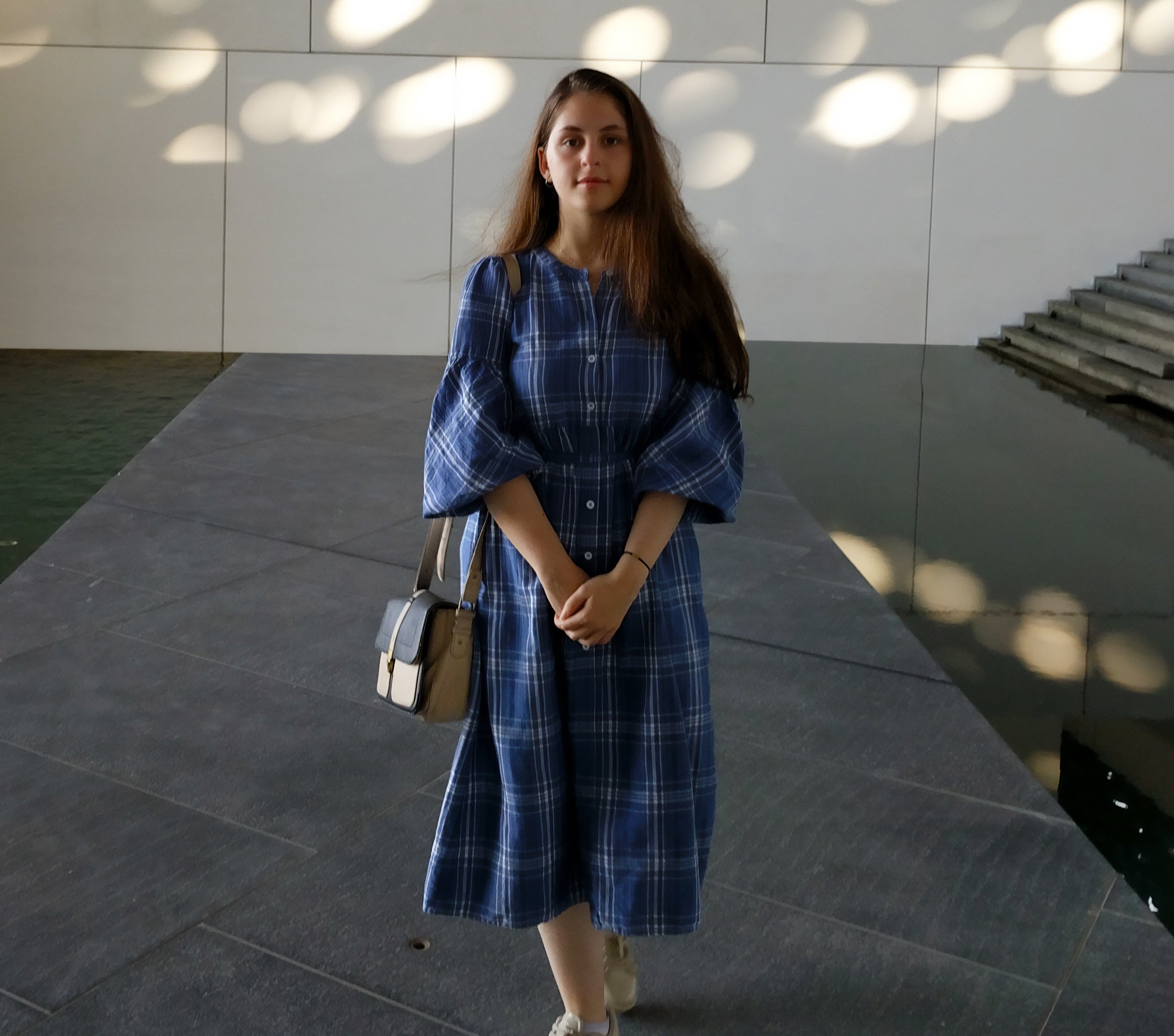
Découvrez Ayla Fowles. Born in Syria before the civil war, Ayla experienced first-hand the suffering and injustice caused by her government. Fleeing to Saudi, she lived through a different environment in a more r4eligiously conservative environment than what she was used to in Syria. As a result she spent her teenage years in her room as she desperately sought any freedom she could find, which she found that through art. Art was her form of expression and as the years went by, she practiced and practiced while she waited for an opportunity to leave.

She now gets to tell the story of her youth with the hope that she can show you how good things can come from bad situations, and to bring awareness to things she finds dear to her (or things that she thinks are really cool).

Quels autres médiums sont couramment utilisés avec les stylos ?

L'art au stylo se combine souvent harmonieusement avec divers autres médiums pour améliorer et diversifier l'expression artistique. Certains médiums populaires utilisés conjointement avec les stylos incluent :

  • Aquarelle : La combinaison du stylo et de l'aquarelle, connue sous le nom de « pen and wash », permet aux artistes d'introduire de la couleur dans leurs dessins détaillés. Cette technique est appréciée pour sa capacité à créer des œuvres d'art dynamiques et expressives.
  • Marqueurs : Les artistes peuvent utiliser des marqueurs conjointement avec des stylos pour ajouter des couleurs vives et audacieuses à des zones spécifiques de leurs illustrations. Cette combinaison est courante dans l'art de la bande dessinée et le design graphique.
  • Crayons de couleur : Lorsque l'on recherche une approche plus contrôlée et texturée de la coloration, les crayons de couleur peuvent être utilisés en complément du travail au stylo. Cette combinaison est particulièrement efficace pour obtenir des dégradés subtils et des ombres détaillées.
  • Médias numériques : Avec les avancées technologiques, de nombreux artistes du stylo ont adopté les outils numériques. Les tablettes et les stylets permettent aux artistes de créer de l'art numérique au stylo, offrant une flexibilité supplémentaire, des fonctions d'annulation et une large gamme de pinceaux et d'effets numériques.
  • Lavages à l'encre : Au-delà de l'aquarelle, les artistes peuvent utiliser des lavages à l'encre pour ajouter des tons monochromes et des ombres à leurs dessins au stylo. Cette technique améliore la profondeur et la dimension, en particulier dans les compositions en noir et blanc.

La combinaison des stylos avec ces divers médiums permet aux artistes de repousser les limites de leur créativité et de produire des œuvres d'art visuellement captivantes.

Historiquement, quand les stylos sont-ils devenus une forme d'art populaire ?

L'utilisation des stylos dans l'art remonte à des siècles, avec un riche passé historique. Bien que l'art au stylo tel que nous le connaissons aujourd'hui ait évolué avec le temps, ses racines remontent aux manuscrits enluminés de la période médiévale. Les scribes et les artistes utilisaient des plumes d'oie et de l'encre pour créer méticuleusement des illustrations complexes accompagnant le texte manuscrit.

Pendant la Renaissance, le dessin à la plume et à l'encre a acquis une importance en tant que forme d'art autonome. Des artistes comme Léonard de Vinci et Albrecht Dürer ont démontré le potentiel des stylos pour capturer les détails fins et créer des lignes expressives. Au fil des siècles, l'art au stylo a continué d'évoluer, trouvant sa place dans les dessins architecturaux, les illustrations scientifiques et les beaux-arts.

À l'ère moderne, la popularité de l'art au stylo a encore progressé avec l'émergence d'illustrateurs, d'artistes graphiques et de dessinateurs de bandes dessinées qui ont adopté la précision et le contrôle offerts par les stylos. Aujourd'hui, l'art au stylo est devenu une forme d'expression artistique polyvalente et largement appréciée, les artistes explorant les médiums traditionnels et numériques pour créer des œuvres captivantes.

Quel genre d'émotions l'art au stylo évoque-t-il chez le spectateur ?

L'art au stylo possède une capacité unique à évoquer une gamme d'émotions chez les spectateurs en raison de sa précision, de son intrication et de sa nature souvent intime. Voici quelques réactions émotionnelles courantes :

  • Émerveillement et appréciation du détail : La nature méticuleuse de l'art au stylo suscite souvent l'émerveillement alors que les spectateurs s'émerveillent devant les détails complexes et les lignes fines. La patience et l'habileté nécessaires pour créer de telles pièces contribuent à une profonde appréciation du savoir-faire de l'artiste.
  • Nostalgie : L'art au stylo, en particulier dans le contexte des illustrations et des croquis, peut évoquer un sentiment de nostalgie. La simplicité des lignes noires et blanches peut transporter les spectateurs vers une époque révolue ou leur rappeler des dessins d'enfance.
  • Intimité et connexion : La franchise des traits de stylo et la permanence de chaque marque peuvent créer un sentiment d'intimité entre l'artiste et le spectateur. Cela ressemble à une conversation personnelle, révélant les pensées et les émotions de l'artiste à travers chaque ligne.
  • Gravité et profondeur : Le contraste saisissant et les lignes audacieuses de l'art au stylo transmettent souvent un sentiment de gravité et de profondeur. Cela peut être particulièrement efficace pour exprimer des thèmes lourds ou contemplatifs.
  • Curiosité et exploration : L'art au stylo abstrait ou surréaliste peut susciter un sentiment de curiosité et un désir d'explorer les subtilités de la composition. Les spectateurs peuvent se sentir attirés par les détails, découvrant des significations cachées ou des histoires au sein des lignes.

En fin de compte, l'impact émotionnel de l'art au stylo varie considérablement en fonction du style, du sujet et des expériences et perceptions individuelles du spectateur. La beauté de l'art au stylo réside dans sa capacité à communiquer des émotions complexes à travers la simplicité des lignes.

Powered by Omni Themes
Chat Support

Support
Typically replies within an hour

Hi there 👋

How can I help you?
×